
Keep Tabs on Your Animals’ Vitals
Jul 18, 2024
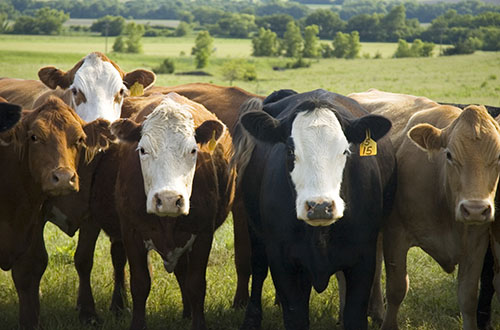
Monitoring your animals’ vital signs is crucial, especially during hot and dry weather. Abnormal temperature, pulse rate, and respiration rate can indicate health concerns, and early detection is key. Here’s a guide to understanding typical vital sign measurements for various livestock species, so you can spot issues early and consult your veterinarian.
Temperature
The best way to take an animal’s temperature is rectally. Elevated body temperatures often signal infections or diseases, much like a fever in humans. However, exercise, excitement, and extreme weather can also affect readings, so it’s important to consider these factors. Below are the normal rectal temperature ranges for different livestock:
Cattle: 100.4 – 102.9° F
Sheep: 100.9 – 103.8° F
Goats: 101.7 – 105.3° F
Swine: 102.0 – 103.6° F
Horses: 99.0 – 100.8° F
Pulse
To measure an animal’s pulse, count the beats per minute in specific locations. For cattle, feel the outside of the jaw, above the inner dewclaw, or just above the hock joint. For sheep, goats, and pigs, check the inside of the thigh near the femoral artery. For horses, you can find the pulse on the mandibular artery under the jaw, inside the ankle at the fetlock, or inside the knee. Here are the normal pulse rates of common livestock:
Cattle: 60 – 70 beats per minute
Sheep: 70 – 80 beats per minute
Goats: 70 – 80 beats per minute
Swine: 60 – 80 beats per minute
Horses: 32 – 44 beats per minute
Respiration
Observe the rise and fall of the animal’s flanks to determine the respiration rate. Pain or fever often increases this rate. Below are the normal respiration rates for livestock:
Cattle: 10 – 30 breaths per minute
Sheep: 12 – 20 breaths per minute
Goats: 12 – 20 breaths per minute
Swine: 8 – 13 breaths per minute
Horses: 8 – 16 breaths per minute
Recognizing abnormal vital signs can help you address health issues before they escalate. For a complete range of animal health supplies, visit your local Co-op. Find the nearest location here.
For more content like this, check out the latest issue of The Cooperator.
Temperature
The best way to take an animal’s temperature is rectally. Elevated body temperatures often signal infections or diseases, much like a fever in humans. However, exercise, excitement, and extreme weather can also affect readings, so it’s important to consider these factors. Below are the normal rectal temperature ranges for different livestock:
Cattle: 100.4 – 102.9° F
Sheep: 100.9 – 103.8° F
Goats: 101.7 – 105.3° F
Swine: 102.0 – 103.6° F
Horses: 99.0 – 100.8° F
Pulse
To measure an animal’s pulse, count the beats per minute in specific locations. For cattle, feel the outside of the jaw, above the inner dewclaw, or just above the hock joint. For sheep, goats, and pigs, check the inside of the thigh near the femoral artery. For horses, you can find the pulse on the mandibular artery under the jaw, inside the ankle at the fetlock, or inside the knee. Here are the normal pulse rates of common livestock:
Cattle: 60 – 70 beats per minute
Sheep: 70 – 80 beats per minute
Goats: 70 – 80 beats per minute
Swine: 60 – 80 beats per minute
Horses: 32 – 44 beats per minute
Respiration
Observe the rise and fall of the animal’s flanks to determine the respiration rate. Pain or fever often increases this rate. Below are the normal respiration rates for livestock:
Cattle: 10 – 30 breaths per minute
Sheep: 12 – 20 breaths per minute
Goats: 12 – 20 breaths per minute
Swine: 8 – 13 breaths per minute
Horses: 8 – 16 breaths per minute
Recognizing abnormal vital signs can help you address health issues before they escalate. For a complete range of animal health supplies, visit your local Co-op. Find the nearest location here.
For more content like this, check out the latest issue of The Cooperator.