
The Goods on Wood Post Treatments
Aug 26, 2019
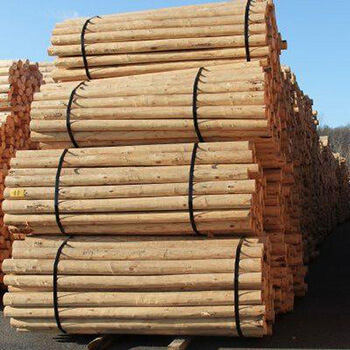
Wood posts are a practical and economic solution for fencing projects. With their durability and resistance to bending, these posts will last for many years to come.
Today’s wood posts are treated with preservatives to help their longevity. When selecting posts for your particular project, here are three popular wood treatments offered through Co-op:
For help with selecting the right treated wood for your farm/home project, visit the professionals at your local Co-op.
Today’s wood posts are treated with preservatives to help their longevity. When selecting posts for your particular project, here are three popular wood treatments offered through Co-op:
- CCA (chromated copper arsenate) — an EPA-registered pesticide containing inorganic arsenic to protect wood against termites, fungi, and other pests. The inorganic arsenic is injected into the wood itself and is intended to remain there. CCA has a well-proven history of providing consistent long life to preserved wood products. Not for residential use.
- MCA (micronized copper azole) — a copper-based preservative acceptable for farm or residential use, MCA has a lighter, more natural appearance. Azole offers carbon-based protection against copper-tolerant fungi. MCA-treated wood is long lasting, odorless, and has a clean appearance.
- Creosote — used as a wood preservative since the mid-1800s, creosote is derived from the high-temperature distillation of coal tar. Currently, creosote is used for commercial purposes only; it has no registered residential uses. Wood treated with creosote should not be used in the interiors of farm buildings since it could be in direct contact with animals or livestock which may bite or lick the wood.
For help with selecting the right treated wood for your farm/home project, visit the professionals at your local Co-op.