
Keeping Pets Safe During Summer

Jul 13, 2020
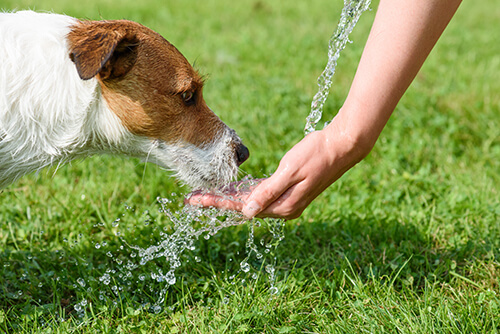

Summer heat is here and staying safe can be tough, but what about your pets? Check out these tips to keep your pets hydrated and safe during the summer heat.
  1. Water, water everywhere!
Make watering your pet the first and last thought of the day. “Does my pet have fresh, clean water?” The answer should always be yes. Keep water bowls inside, outside, and everywhere your pet has access during each day. If you take them on a walk, bring a portable watering bowl for them. If you have an outdoor dog, add ice or a frozen water bottle to their water buckets. Fresh and cool water is a necessity to keep their bodies cool.
  1. They don’t always need a haircut
Before taking your pet to the groomer, ask your vet or trained groomer what is best for your dog. For several long hair breeds, their hair keeps them insulated and helps them regulate heat. Don’t take that protection away.
  1. Monitor for stress
Dogs and cats pant to cool themselves. Dogs usually sit at a temperature of 100° to 103°F, and cats range from 100.4º to 102.5ºF. They don’t handle heat the same way we do. Monitor their actions and body temperatures if they seem stressed. Signs to watch out for are: heavy panting, thick drool, dry or red gums, vomit, diarrhea, wobbly legs. If you notice these signs, put them in a cool place with a drink. If they persist, take them to the vet.
 
Looking for products to help keep your pet safe this summer? Stop by your local Co-op today to check out a wide selection of products.
 

Read More News

Mar 23, 2026
March is a pivotal time for bringing home lawns out of winter dormancy, with an emphasis on weed prevention, soil health, and careful early-season care. Taking the right steps now helps ensure strong, healthy growth heading into summer.
Mar 16, 2026
Visit your local Co-op to purchase your vegetable, flower, and herb seeds! You can get a head start on planting by placing a grow light in one room of your house and starting flats of seeds for your garden. Start collecting pots and planters to use in a container garden for the front porch.
Mar 09, 2026
Vegetable gardening has historically had its ups and downs. As far back as the pilgrims, nearly everybody was a gardener. Because people grew food to survive, they developed their own gardening skills out of necessity. During World War II, Americans were encouraged to grow much of their own food in “victory gardens” to help with the expensive war effort. But as more efficient methods of growing larger amounts of food were developed, fewer people raised their own vegetables.