
Winter Prep for Small Farms: Simple Steps to Stay Ahead of the Cold
Dec 15, 2025
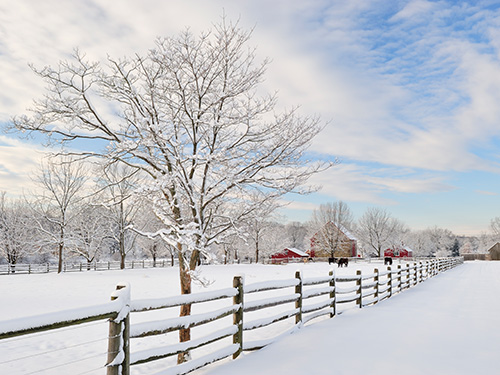
As temperatures dip and days get shorter, winter prep becomes one of the most important tasks for any small farm. A little planning in late fall can make the cold months smoother, safer, and far less stressful — for both people and livestock. Here are a few practical steps to help you get ready before the first hard freeze sets in.
Start by giving your infrastructure a once-over. Check barns, sheds, and coops for drafts, loose boards, or roof leaks. Even small gaps can let in cold winds that spike energy costs and stress animals. Seal cracks with weatherproof caulk, add fresh bedding, and ensure doors latch tightly. If you rely on water lines in your outbuildings, insulating pipes now can save you from frozen — or worse, burst — lines in January.
Livestock needs extra attention as winter approaches. Make sure shelters are dry, well-ventilated, and free from moisture buildup that can lead to respiratory issues. Stock up on feed and minerals while prices and availability are stable, and clean out water troughs before installing deicers or heated buckets. Hydration is just as important in winter as in summer, and frozen water is one of the most common cold weather challenges for small farms.
Equipment prep should also be on your checklist. Service tractors, sharpen snow blades, and check tire pressure before cold weather sets in. Store fuel safely and keep backup generators tested and ready. A bit of preventative maintenance now can help avoid a breakdown during a winter storm.
Finally, think ahead to pasture and field care. Rotate animals off muddy areas, lay down gravel in high-traffic paths, and consider planting cover crops to protect soil through winter.
With some smart prep, your small farm can stay productive and protected all winter long —making spring a whole lot easier when it returns.
Start by giving your infrastructure a once-over. Check barns, sheds, and coops for drafts, loose boards, or roof leaks. Even small gaps can let in cold winds that spike energy costs and stress animals. Seal cracks with weatherproof caulk, add fresh bedding, and ensure doors latch tightly. If you rely on water lines in your outbuildings, insulating pipes now can save you from frozen — or worse, burst — lines in January.
Livestock needs extra attention as winter approaches. Make sure shelters are dry, well-ventilated, and free from moisture buildup that can lead to respiratory issues. Stock up on feed and minerals while prices and availability are stable, and clean out water troughs before installing deicers or heated buckets. Hydration is just as important in winter as in summer, and frozen water is one of the most common cold weather challenges for small farms.
Equipment prep should also be on your checklist. Service tractors, sharpen snow blades, and check tire pressure before cold weather sets in. Store fuel safely and keep backup generators tested and ready. A bit of preventative maintenance now can help avoid a breakdown during a winter storm.
Finally, think ahead to pasture and field care. Rotate animals off muddy areas, lay down gravel in high-traffic paths, and consider planting cover crops to protect soil through winter.
With some smart prep, your small farm can stay productive and protected all winter long —making spring a whole lot easier when it returns.