
Why Composting Your Leaves Can Help Your Garden and Yard
Aug 25, 2025
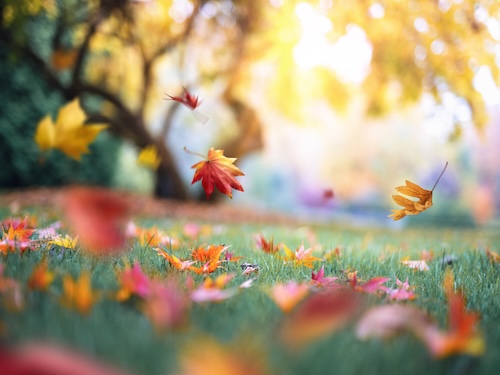
Leaves will soon fall in Tennessee, and before you’re quick to bag them up and toss them, know you can use them around your yard and garden this season.
Fallen leaves can turn into nutrient-rich compost or leaf mold that improves soil structure, moisture retention, and fertility. The key is knowing where to use them.
Here are the best ways to go about it:
Your local Co-op carries many supplies that can make leaf clean up easy such a rakes, blowers, and more. Find the Co-op nearest you by clicking here.
Fallen leaves can turn into nutrient-rich compost or leaf mold that improves soil structure, moisture retention, and fertility. The key is knowing where to use them.
Here are the best ways to go about it:
- Shred before composting. Whole leaves tend to mat together, slowing decomposition. Running them through a mower or leaf shredder creates smaller pieces with more surface area, which speeds up breakdown and prevents clumping.
- Balance “browns” and “greens.” Leaves are considered a “brown” material. To make an active compost pile, mix them with “greens” like grass clippings, vegetable scraps, or coffee grounds. A good rule of thumb is three parts shredded leaves to one part greens. This balance creates the heat needed for quick decomposition.
- Keep the pile moist and turned. Moisture is essential, but the pile should feel like a wrung-out sponge, not soggy. Turn the compost every couple of weeks.
- Make leaf mold for soil health. If you don’t want to fuss with balancing greens, you can simply pile up shredded leaves, moisten them, and let them sit for 6–12 months. Fungi will break them down into a dark, crumbly material called leaf mold, which is excellent for improving soil texture and water retention.
- Use as mulch. Even before fully decomposing, shredded leaves can be spread around garden beds as mulch. This suppresses weeds, protects soil, and gradually adds organic matter as they break down.
Your local Co-op carries many supplies that can make leaf clean up easy such a rakes, blowers, and more. Find the Co-op nearest you by clicking here.