
What You Can Do in the Fall to Get Ready For Winter
Oct 13, 2025
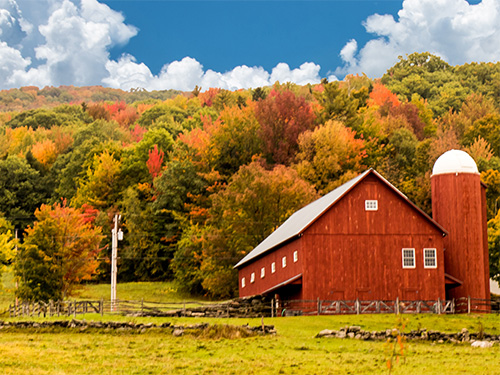
As summer fades and the pace of farm life begins to slow, fall offers an ideal window to take on practical and rewarding barn projects. With harvest wrapping up and cooler weather settling in, this season provides the perfect conditions for repairs, organization, and improvements that will pay off when winter arrives.
Below are several do-it-yourself barn projects well suited to the fall months.
Build or Repair Feed Storage Bins
This time of year is the right time to get feed storage in order. Constructing new wooden bins or repairing existing ones helps protect grain and seed from moisture and pests during the damp, cold months ahead. A simple design using plywood, hinges, and weatherproof sealant works well. Adding paint or chalkboard labels on the lids can keep things organized and easy to manage.
Winterize the Chicken Coop
We know several of you in Tennessee own chickens. Before the first frost, ensure that your chicken coop is ready for winter. Inspect for drafts and seal gaps while maintaining adequate ventilation. Repair broken roosts or nesting boxes and consider installing a small solar light to help maintain egg production through shorter days. Adding a removable storm door made from scrap lumber and plexiglass can provide extra warmth while still letting in natural light.
Organize the Tool Area
A well-organized tool corner makes winter work far more efficient. You don’t want to be looking for a specific object while it’s snowing outside. Take advantage of mild fall days to install a pegboard wall or construct shelving from reclaimed pallets. Tools can be hung on sturdy hooks, and smaller hardware can be stored in labeled jars or drawers. Adding rubber mats to the floor will make winter chores more comfortable and safer when the temperatures drop.
Build or Repair a Hay Feeder and Fencing
Fall is the time to inspect hay feeders and fencing before the ground freezes. Constructing a simple wooden hay feeder or repairing weak fence lines now can prevent mid-winter frustrations. Reinforcing posts, replacing damaged boards, and checking gate latches ensures that animals and supplies remain secure through the season.
Below are several do-it-yourself barn projects well suited to the fall months.
Build or Repair Feed Storage Bins
This time of year is the right time to get feed storage in order. Constructing new wooden bins or repairing existing ones helps protect grain and seed from moisture and pests during the damp, cold months ahead. A simple design using plywood, hinges, and weatherproof sealant works well. Adding paint or chalkboard labels on the lids can keep things organized and easy to manage.
Winterize the Chicken Coop
We know several of you in Tennessee own chickens. Before the first frost, ensure that your chicken coop is ready for winter. Inspect for drafts and seal gaps while maintaining adequate ventilation. Repair broken roosts or nesting boxes and consider installing a small solar light to help maintain egg production through shorter days. Adding a removable storm door made from scrap lumber and plexiglass can provide extra warmth while still letting in natural light.
Organize the Tool Area
A well-organized tool corner makes winter work far more efficient. You don’t want to be looking for a specific object while it’s snowing outside. Take advantage of mild fall days to install a pegboard wall or construct shelving from reclaimed pallets. Tools can be hung on sturdy hooks, and smaller hardware can be stored in labeled jars or drawers. Adding rubber mats to the floor will make winter chores more comfortable and safer when the temperatures drop.
Build or Repair a Hay Feeder and Fencing
Fall is the time to inspect hay feeders and fencing before the ground freezes. Constructing a simple wooden hay feeder or repairing weak fence lines now can prevent mid-winter frustrations. Reinforcing posts, replacing damaged boards, and checking gate latches ensures that animals and supplies remain secure through the season.