
What To Plan For Your Fall Garden Now
Aug 11, 2025
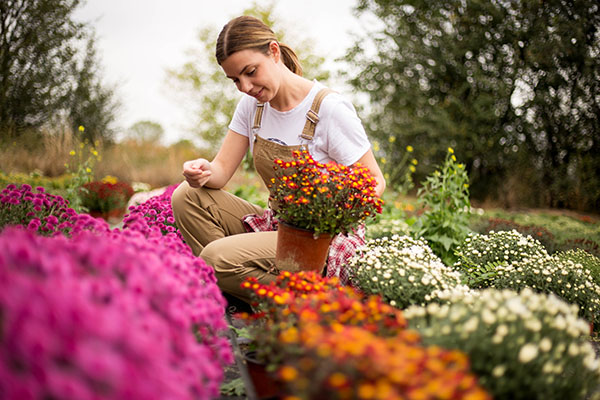
That will mean rotating out what you have now and planning what you could expect to grow while the leaves fall.
What can I grow?
Fall gardens aren’t just about mums and pumpkins, although those are beautiful. Depending on your climate, you can still grow leafy greens like spinach, arugula, and lettuce.
You can also consider root crops like beets, turnips, and radishes. Broccoli, cauliflower and cabbage are also on deck, just without the sweat.
Don’t forget the flowers
Fall can see a lot of brown dirt, but don’t let your garden fade. You can put in the ground some pansies, asters, and ornamental cabbages for color well into frost. Perennials like coneflowers and sedum also shine. An added benefit is that their seed heads feed winter birds.
When do I put it in the ground?
Early August
Your family Co-op will have all types of seeds, gardening equipment and flower needs to help you grow the best garden possible. Visit our locations tab to check out which of our family of Co-ops is closest to you.
What can I grow?
Fall gardens aren’t just about mums and pumpkins, although those are beautiful. Depending on your climate, you can still grow leafy greens like spinach, arugula, and lettuce.
You can also consider root crops like beets, turnips, and radishes. Broccoli, cauliflower and cabbage are also on deck, just without the sweat.
Don’t forget the flowers
Fall can see a lot of brown dirt, but don’t let your garden fade. You can put in the ground some pansies, asters, and ornamental cabbages for color well into frost. Perennials like coneflowers and sedum also shine. An added benefit is that their seed heads feed winter birds.
When do I put it in the ground?
Early August
- Broccoli
- Cabbage
- Cauliflower
- Brussels sprouts
- Collard greens
- Kale
- Swiss chard
- Turnips
- Rutabagas
- Lettuce
- Spinach
- Mustard greens
- Beets
- Radishes
- Pansies
- Violas
- Snapdragons
- Ornamental cabbage and kale
Your family Co-op will have all types of seeds, gardening equipment and flower needs to help you grow the best garden possible. Visit our locations tab to check out which of our family of Co-ops is closest to you.