
Trust Fill-Rite for Fuel Transfer
Nov 02, 2020
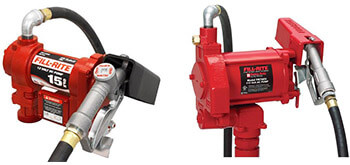
For an AC- or DC-powered fuel transfer pump that provides the flexibility and power to handle even your most difficult applications, look no further than the most trusted name in pumps, Fill-Rite, which are proudly “Made in the USA” and available through participating Co-ops.
Here are two of our top recommendations:
FILL-RITE FR1210G 12-VOLT PUMP WITH HOSE AND MANUAL NOZZLE
• 12V DC
• 15 gallons per minute
• Heavy-duty, cast iron construction
• Designed for gasoline, diesel, biodiesel up to B20, E15, kerosene, and mineral spirits
• 1/4-HP motor that is UL/cUL listed
• 12-ft. hose with static wire
• 2-in. threaded base for tank mounting
• Comes with 2-year warranty
FILL-RITE 115-VOLT PUMP WITH MANUAL NOZZLE
• 115V AC
• 18 gallons per minute
• Heavy-duty, cast iron construction
• Designed for gasoline, diesel, biodiesel up to B20, E15, kerosene, and mineral spirits
• 1/3-HP motor; UL/cUL listed pump and motor
• 12-ft. hose with static wire
• Self priming
• Comes with 2-year warranty
Additionally, built into every Fill-Rite pump is over 56 years of experience, with our craftsmen using only the most durable materials to ensure long life and dependability. Stop by your Co-op store today and let our knowledgeable staff assist with selecting the Fill-Rite pump that best fits your needs.
Here are two of our top recommendations:
FILL-RITE FR1210G 12-VOLT PUMP WITH HOSE AND MANUAL NOZZLE
• 12V DC
• 15 gallons per minute
• Heavy-duty, cast iron construction
• Designed for gasoline, diesel, biodiesel up to B20, E15, kerosene, and mineral spirits
• 1/4-HP motor that is UL/cUL listed
• 12-ft. hose with static wire
• 2-in. threaded base for tank mounting
• Comes with 2-year warranty
FILL-RITE 115-VOLT PUMP WITH MANUAL NOZZLE
• 115V AC
• 18 gallons per minute
• Heavy-duty, cast iron construction
• Designed for gasoline, diesel, biodiesel up to B20, E15, kerosene, and mineral spirits
• 1/3-HP motor; UL/cUL listed pump and motor
• 12-ft. hose with static wire
• Self priming
• Comes with 2-year warranty
Additionally, built into every Fill-Rite pump is over 56 years of experience, with our craftsmen using only the most durable materials to ensure long life and dependability. Stop by your Co-op store today and let our knowledgeable staff assist with selecting the Fill-Rite pump that best fits your needs.