
Top 7 Tips For Winterizing Farm Equipment

Oct 19, 2020
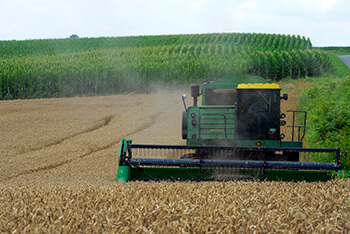

The end of harvest season will be approaching in the not-too-distant future, and with it will come the time to give your farm machinery the break it needs. But before storing your equipment, it needs to be properly prepared for winter’s chill.
Here are the Top 7 tips from TFC’s Farm Equipment Department for winterizing your valuable machinery:
  1. Clean equipment thoroughly, inside and out, of dirt and debris when finished with the harvest season.
  2. Grease or oil parts to keep them lubricated until next usage.
  3. Drain sprayers of water from lines, filters, and pumps to keep from freezing over the winter.
  4. Add RV antifreeze to help keep excess moisture from freezing.
  5. Clean spreader and oil if used in fertilizer to keep from rusting.
  6. Check air pressure in tires to prevent flat spots while storing.
  7. Make a list of repair parts needed. Co-op offers repair parts for the equipment we sell.
Properly winterizing equipment will not only cut down on headaches for next year, but it will also increase the life and resale value of your equipment in the future. For advice and products related to winterization, visit with the friendly professionals at your local Co-op.
 

Read More News

Feb 16, 2026
Chick season is almost upon us. Chicks will start showing up in stores mid- to late-February. The idea of raising a flock can be both exciting and intimidating for first-time chicken owners. With a little preparation, though, it’s easy to master the technicalities of poultry care.
Feb 02, 2026
To make quick work of seeding or fertilizing small or large acreage, food plots, or yards, Herd Seeder Company has a variety of products that can get the job done.
Jan 26, 2026
Winter often subjects dogs to cold, ice, and chemicals, requiring owners to protect their pets by limiting their outdoor time. Use booties and coats for vulnerable animals such as small, short-haired, senior, or sick pets and protect their paws from salt. Additionally, provide warm shelter and water, and be mindful of dangerous temperatures — below 32°F is risky and below 20°F is dangerous for most. Hypothermia and frostbite are risks, so watch for shivering, anxiety, or lifted paws, and prioritize indoor exercise on harsh days.