
To Prune or Not to Prune, We’ll Help You Answer That Question
May 18, 2020
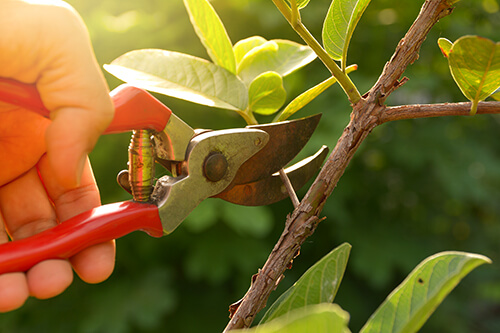
Warm weather is finally here, and that means you can finally tackle those outdoor chores you’ve been itching to do for months! If you’re like us, pruning is at the top of the list. We know those trimmers and the sad shape of your shrubs are calling your name. Before you begin, here are our list of Pruning Do’s and Don’ts for Spring and Summer:
Do:
Don’t:
We know it’s finally warm enough for you to work on your lawn. However, regardless of how strong that urge is to trim and prune, make sure it is the right time for your plant. Instead, clean up your beds or mulch and weed because it might be best for your shrubs and trees if you leave the trimmers in the shed for now.
Do:
- Research. Understand your plants and their needs. Learning about the different plants and their specific needs will help you provide the best care, creating both a healthy and beautiful lawn and garden.
- Ask for help. Reach out to your local Co-op or County Extension Agent for advice on pruning, trimming, fertilizing, and more. Don’t feel like you’re alone.
- Trim cautiously. Pruning incorrectly can cause more damage than good.
- Check before pruning in the spring. Many plants and shrubs should be pruned in the fall or winter rather than in warmer weather.
- Trim and remove old and dead plant matter. This helps make the plant healthier.
Don’t:
- Prune without purpose. Just because you feel like you should prune, doesn’t mean that is what your plant needs.
- Unnecessarily prune or trim a new tree or plant. Give the plant at least one year to get its roots under it. Dead branches and limbs are an exception, but don’t trim healthy, green branches in the first year.
- Take on too much by yourself. Don’t take on a job that needs a chainsaw or ladder on your own. Ask for help to keep yourself safe.
We know it’s finally warm enough for you to work on your lawn. However, regardless of how strong that urge is to trim and prune, make sure it is the right time for your plant. Instead, clean up your beds or mulch and weed because it might be best for your shrubs and trees if you leave the trimmers in the shed for now.