
The Importance of Fall Aeration for a Healthier Lawn
Oct 21, 2024
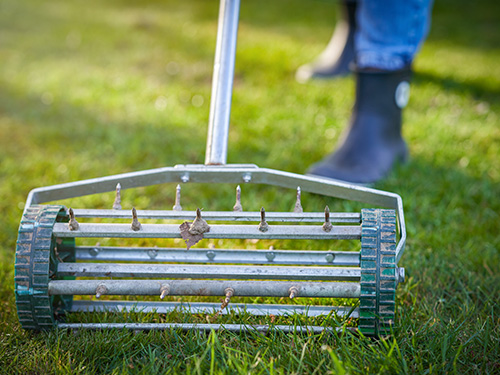
As temperatures cool in mid-to-late October, it’s the ideal time to aerate your lawn. Aeration, the process of puncturing small holes in the soil, allows water, nutrients, and air to penetrate deep into the grass roots. This simple practice promotes healthier, stronger grass by loosening compacted soil and reducing thatch buildup — the layer of organic material that can block water and nutrients from reaching the roots.
But why is fall aeration so crucial? Throughout the summer, heavy foot traffic and outdoor activities can cause your soil to become tightly compacted. This compaction limits the grass’s ability to grow deep, resilient roots, making it more vulnerable to drought and weather fluctuations. By aerating in the fall, you create space for the soil to decompress and the roots to spread, improving the lawn’s overall health and resistance to stressors. It also enables water and fertilizers to penetrate more effectively.
Whether you take on the task yourself or hire a professional, aeration is fairly straightforward. Many lawn care experts recommend using plug aerators, which remove small cores of soil and leave them on the surface to break down naturally. If you’re new to aeration, the process is similar to mowing — just work in straight lines across your yard for full coverage.
Fall aeration also creates the perfect opportunity for overseeding and fertilizing. By spreading grass seed after aerating, you give your lawn a chance to fill in bare spots and strengthen areas damaged over the summer. As a result, your lawn will be thicker and healthier with the arrival of spring.
Maintaining healthy soil is key to a thriving lawn, and fall aeration is an essential part of that process. Your local Co-op can provide you with the tools you need for the job and offer expert advice on the best grass seed for your area. Visit your nearest location today and ensure your lawn is ready for the next season.
Find the nearest location here. For more content like this, check out the latest issue of The Cooperator.
But why is fall aeration so crucial? Throughout the summer, heavy foot traffic and outdoor activities can cause your soil to become tightly compacted. This compaction limits the grass’s ability to grow deep, resilient roots, making it more vulnerable to drought and weather fluctuations. By aerating in the fall, you create space for the soil to decompress and the roots to spread, improving the lawn’s overall health and resistance to stressors. It also enables water and fertilizers to penetrate more effectively.
Whether you take on the task yourself or hire a professional, aeration is fairly straightforward. Many lawn care experts recommend using plug aerators, which remove small cores of soil and leave them on the surface to break down naturally. If you’re new to aeration, the process is similar to mowing — just work in straight lines across your yard for full coverage.
Fall aeration also creates the perfect opportunity for overseeding and fertilizing. By spreading grass seed after aerating, you give your lawn a chance to fill in bare spots and strengthen areas damaged over the summer. As a result, your lawn will be thicker and healthier with the arrival of spring.
Maintaining healthy soil is key to a thriving lawn, and fall aeration is an essential part of that process. Your local Co-op can provide you with the tools you need for the job and offer expert advice on the best grass seed for your area. Visit your nearest location today and ensure your lawn is ready for the next season.
Find the nearest location here. For more content like this, check out the latest issue of The Cooperator.