As the seasons change, so do our management practices for equine ownership. Here are a few considerations that are important for horse owners this spring:
Pasture Management
Pasture is the most economical way to feed horses, often costing 1/3 as much as hay per head per day. Proper management is the key to optimizing your pasture’s performance. Best practices include soil sampling, fertilization, weed control, and grazing management. Basic fertilization typically includes correcting pH levels and applying nitrogen, phosphorus, and/or potassium. The best way to identify fertility needs is to have a soil test done every two to three years. Visit with your Co-op forage experts about soil sampling and recommendations for fertilizer type, rate, and timing. They can also advise you on weed control options to best suit your needs.
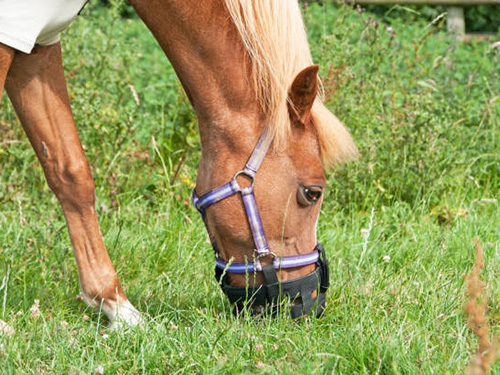
Many horses thrive on a pasture-based diet, but not all do. Easy-keeping horses may become obese when given free-choice access to pasture. Pasture grass, especially during times of stress or rapid growth, can be quite high in sugar. Horses suffering from metabolic disorders, such as insulin resistance and PPID (Cushing’s Disease), should have their sugar and starch intake limited to reduce the risk of laminitis. A grazing muzzle allows your horse to still enjoy the benefits of movement and socialization in a pasture while limiting its calorie and sugar intake. (Click here to find out more about grazing muzzles in the April 2026 edition of The Cooperator.)
Parasite Management
Spring and fall are the recommended seasons for performing a fecal egg count (FEC) on your horse. Every horse is an individual when it comes to their susceptibility to internal parasites. Based on the results of the FEC, your veterinarian will recommend whether to deworm your horse and what drug is best suited for treating the parasites found. Your local Co-op carries a full line of equine dewormers. While spring is also a tempting time to drag your pastures and spread manure, keep in mind that parasite eggs are very cold-hardy. Spreading manure around the pasture increases the parasite load and your horses’ exposure. For the most effective parasite control, spread or drag pastures only when temperatures are above 90°F, and the weather is dry.
Fly Control
While most of us look forward to the warmer weather that spring brings, so do the local fly populations. Feed-through fly control products are a popular and effective method for reducing fly numbers across your property. For optimum effectiveness, these products should be fed to every animal in your herd, starting about 30 days before fly season – in other words, starting now! Clarifly® is a feed-through fly control drug that works by passing through the animal undigested and disrupting the life cycle of fly larvae after eggs are laid in manure. It may be fed individually through top-dressed supplements or to whole herds via our Co-op Pasture Block with Clarifly® or Purina® EquiTub™.
Spring will be here soon, so start thinking now about these management practices that can improve your equine operation. Click here to find a Co-op near you.
Gently control your horse's grazing habits with a flexible grazing muzzle that fits like a glove. 🐴 Learn more about how grazing muzzles can help your horse in this week's Co-op Minute!
Honey is a natural sweetener packed with antioxidants, which help reduce inflammation. It soothes sore throats and acts as a natural cough suppressant. Additionally, raw honey features antibacterial and anti-inflammatory properties that aid in wound and burn healing.
As homeowners continue to enjoy decorating with whimsical décor, one quirky lawn ornament is back and more popular than ever — the porch goose, complete with a whole suitcase of seasonal outfits. Now, a new generation of homeowners is embracing their nostalgic charm.
To control weeds around your home and farm, apply both pre-emergent and post-emergent treatments. Pre-emergent weed control is designed to prevent weed growth before weeds sprout. It should be applied twice in the spring, once in late summer, and once in the fall — so four times throughout the year. Post-emergent weed control targets those weeds that still seem to come through the soil even after pre-emergent treatment. Apply post-emergent control as needed throughout the growing season regularly from spring to fall.