
Snow Much to Do: Winter-Proofing Your Farm
Jan 13, 2025
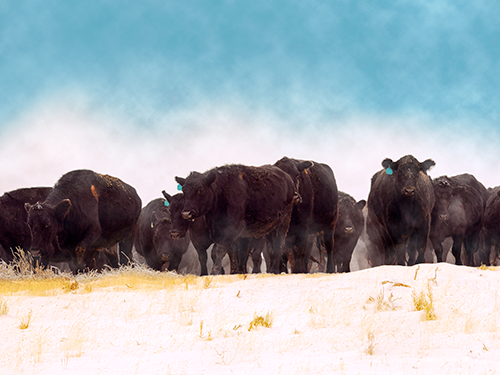
Many parts of the state felt the effects of the winter storm this past weekend, reminding us how important it is to be prepared for harsh conditions on the farm. After all, proper planning can make the difference between a successful season and costly disruptions, especially when it comes to livestock health, equipment functionality, and overall farm operations and safety.
Here are essential tips for managing your farm during winter weather and handling the after-effects of snow to keep your livestock, crops, and equipment protected.
Farm Property Management:
Farm Structure Management:
By following these winter tips, you can better safeguard your livestock, equipment, and property from the challenges of snow and ice. For all your winter farm supplies and expert advice, visit your local Co-op today.
Find the nearest Co-op location here. For more seasonal farm tips, check out the latest issue of The Cooperator.
Here are essential tips for managing your farm during winter weather and handling the after-effects of snow to keep your livestock, crops, and equipment protected.
Farm Property Management:
- Ensure Livestock Water Access: Install heated waterers and tank de-icers or set up dark-colored tarps and solar panels near troughs to help prevent freezing.
- Create Windbreak Barriers: Install temporary windbreaks, like hay bales, around pastures and shelters to reduce wind chill and protect animals. Ensure access to natural windbreaks, such as tree lines, for added warmth in the pasture.
- Implement Rotational Feeding Areas: Rotate feeding areas regularly to prevent soil damage, minimize mud buildup from melting snow, and reduce the risk of livestock injury.
- Stock Up on Farm Essentials: Keep a winter preparedness kit on hand with extra livestock feed, hay, medical supplies, fuel, bedding, and equipment repair tools. Prepare for road closures or prolonged ice.
- Protect Equipment From Freezing: Store tractors, implements, and machinery indoors when possible. If outdoor storage is necessary, cover sensitive components and treat fuel with anti-gel additives.
- Improve Traction in Livestock Areas: Spread gravel or coarse sand around high-traffic areas, such as barn entrances and feeding zones, to reduce ice buildup and improve footing for livestock.
- Insulate and Protect Water Lines: Bury or insulate exposed water lines and install heat tape where necessary to ensure reliable water access for livestock throughout winter.
- Protect Winter Crops: Use row covers or cold frames to shield winter crops from extreme cold and snow, ensuring continued growth and reduced frost damage.
Farm Structure Management:
- Power Backup: Keep generators fueled and ready in case of power outages. Ensure generators are properly ventilated and maintained.
- Install Door Sweeps: Add door sweeps to external doors to minimize drafts and keep heat inside.
- Prevent Ice Dams: Keep gutters clear of debris to allow melting snow to drain properly and prevent ice dams that could cause roof leaks.
- Trim Overhanging Branches: Prune branches that could break under snow load and damage structures and property.
- Inspect Structures for Damage: After heavy snow, check barns, fences, and outbuildings for structural strain or damage. Reinforce weakened areas promptly.
- Clear Snow From Roofs: Use roof rakes to safely remove snow accumulation from barns and sheds to prevent roof collapse due to excess weight.
By following these winter tips, you can better safeguard your livestock, equipment, and property from the challenges of snow and ice. For all your winter farm supplies and expert advice, visit your local Co-op today.
Find the nearest Co-op location here. For more seasonal farm tips, check out the latest issue of The Cooperator.