
Sept. 20 - 26, 2020 is National Farm Safety & Health Week
Sep 21, 2020
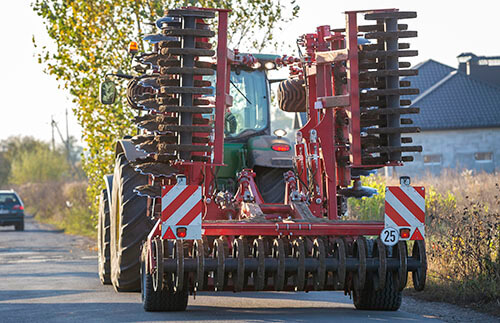
The 2017 data for the U.S. Bureau of Labor Statistics shows the agricultural sector is still the most dangerous in America with 581 fatalities, which equals 23 deaths per 100,000 workers.
This time of year, farmers are out in the fields harvesting, putting in cover crops, and prepping their fields for next year. It makes perfect sense for this week to be focused around farm safety. For over 75 years, the third week of September has been recognized as National Farm Safety & Health Week (NFSHW).
Here are some tips to help you and your farm family stay safe this harvest season.
For more information on National Farm Safety & Health Week 2020, visit The National Education Center for Agricultural Safety website, www.necasag.org/nationalfarmsafetyandhealthweek.
This time of year, farmers are out in the fields harvesting, putting in cover crops, and prepping their fields for next year. It makes perfect sense for this week to be focused around farm safety. For over 75 years, the third week of September has been recognized as National Farm Safety & Health Week (NFSHW).
Here are some tips to help you and your farm family stay safe this harvest season.
- Wear bright colors when out in the field
- Keep fire extinguishers in all equipment
- Mark all vehicles that will be driven on the road with slow traffic signs and reflective tape
- Make sure all lights and flashers work properly on all equipment
- Be aware of power lines, low bridges, and narrow roads
- Try to only travel on roads during daylight hours
For more information on National Farm Safety & Health Week 2020, visit The National Education Center for Agricultural Safety website, www.necasag.org/nationalfarmsafetyandhealthweek.