
Removing Oil Stains from Concrete
Jun 16, 2025
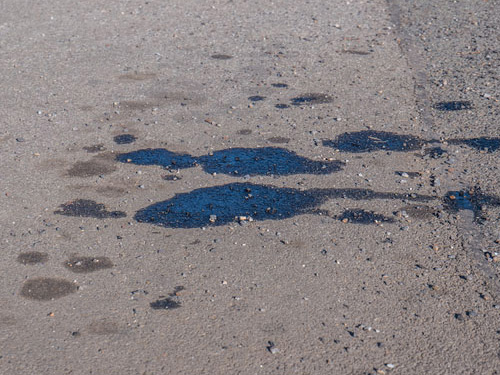
With heavy equipment being put to constant use on the farm this time of year, oil leaks and spills on your concrete are bound to happen. Even parking your vehicle in your garage at night will often result in unsightly stains on your floors.
Because concrete is porous, oil is absorbed into the concrete, making it difficult – but not impossible – to remove. An oil spill that is left untouched will actually begin to break down and weaken the concrete itself.
The quicker you deal with an oil spill, the better result you will see. When you first notice a spill occurring, stop the source of the leak and deal with any unabsorbed oil on the concrete. This can be accomplished by pouring an absorbent on it, such as a clay-based cat litter or product designed specifically to absorb automotive fluids.
Once the standing oil has been removed along with the absorbent, it is time to deal with the stain that was left behind.
First, gather your supplies. You can use a commercially available cleaner and degreaser or dishwashing detergent powder as your stain-fighting product. If you choose to use a cleaner and degreaser, make sure it will not also etch your concrete floor unless you plan to seal it. You will also need a stiff brush for scrubbing and a source of water for rinsing.
Now it is time to begin removing the stain. If you are using a cleaner and degreaser, follow the instructions for that specific product. Generally, you will apply the product, scrub the concrete with your stiff brush, and let the solution sit for 15 minutes before rinsing with water.
If you would rather make-do with what you have and use dishwasher detergent powder, sprinkle the powder over the stain and let it sit for at least 45 minutes. Pour a small amount of boiling water onto the powder and scrub with the stiff brush before rinsing thoroughly with water.
Many more home remedies exist using coke, baking soda, and more, but all follow the general guidelines of the dishwasher detergent powder method. You may have to repeat the applications depending on how deep the oil has penetrated the concrete.
Remember, the best way to deal with oil stains is to prevent them from happening in the first place. For concrete sealers, cleaners, degreasers, and auto and equipment repair services, stop by your local Co-op.
For more content like this, check out the latest issue of The Cooperator.
Because concrete is porous, oil is absorbed into the concrete, making it difficult – but not impossible – to remove. An oil spill that is left untouched will actually begin to break down and weaken the concrete itself.
The quicker you deal with an oil spill, the better result you will see. When you first notice a spill occurring, stop the source of the leak and deal with any unabsorbed oil on the concrete. This can be accomplished by pouring an absorbent on it, such as a clay-based cat litter or product designed specifically to absorb automotive fluids.
Once the standing oil has been removed along with the absorbent, it is time to deal with the stain that was left behind.
First, gather your supplies. You can use a commercially available cleaner and degreaser or dishwashing detergent powder as your stain-fighting product. If you choose to use a cleaner and degreaser, make sure it will not also etch your concrete floor unless you plan to seal it. You will also need a stiff brush for scrubbing and a source of water for rinsing.
Now it is time to begin removing the stain. If you are using a cleaner and degreaser, follow the instructions for that specific product. Generally, you will apply the product, scrub the concrete with your stiff brush, and let the solution sit for 15 minutes before rinsing with water.
If you would rather make-do with what you have and use dishwasher detergent powder, sprinkle the powder over the stain and let it sit for at least 45 minutes. Pour a small amount of boiling water onto the powder and scrub with the stiff brush before rinsing thoroughly with water.
Many more home remedies exist using coke, baking soda, and more, but all follow the general guidelines of the dishwasher detergent powder method. You may have to repeat the applications depending on how deep the oil has penetrated the concrete.
Remember, the best way to deal with oil stains is to prevent them from happening in the first place. For concrete sealers, cleaners, degreasers, and auto and equipment repair services, stop by your local Co-op.
For more content like this, check out the latest issue of The Cooperator.