
Keeping Pets and Working Animals Safe During Cold Snaps
Jan 05, 2026
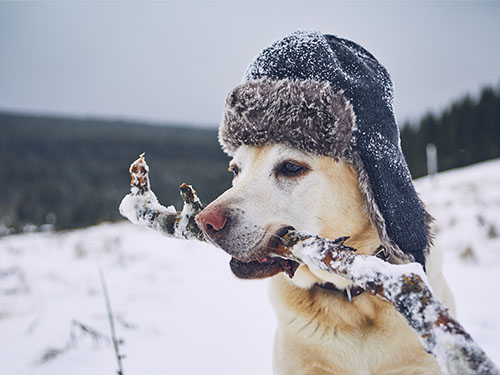
When temperatures plunge, your animal’s health should be top priority. The cold can be hard on pets and working animals, which makes winter preparedness essential to avoid weather-related health issues.
For many small-breed and short-haired pets, temperatures below 32 degrees can quickly become uncomfortable with an increased risk of frostbite if they drop below 20 degrees.
Working animals, such as horses, can also face problems during cold weather. When used or worked in temperatures below 20 degrees, horses that are not properly warmed up or cared for may be more prone to muscle stiffness, fatigue, and injury.
One of the most effective ways to protect animals during cold weather is to provide an insulated, draft-free shelter that is elevated off the ground. Shelters should include clean, dry bedding such as straw or shavings to help them retain body heat and keep the enclosure dry. Since hay traps moisture and can increase the risk of mold and respiratory issues, it is important to refrain from using it as bedding.
Frozen water is a constant headache for many farmers during the winter months. Animals are less likely to drink cold water, which can lead to dehydration. To help avoid these problems, heated water troughs and bowls are recommended for both livestock and pets to ensure they have constant access to water.
While heaters might seem helpful, they can pose a serious fire risk, especially in small or enclosed spaces. If heaters or heated pet beds are used, they should be designed specifically for animals and should be placed securely and monitored closely.
Animals also tend to burn more calories while trying to keep warm in cold weather. To keep them healthy, a change in their diet might be needed, especially if you recognize that they are starting to lose weight. To help negate the problem, we recommend either feeding them more often or switching to a higher-energy ration to help maintain their overall health throughout the winter.
Cold weather is just part of winter life in Tennessee, but a little extra preparation can go a long way. It is important to pay extra attention to your animals’ shelters, water, and nutrition this winter to help keep your pets and working animals comfortable until warmer days return.
For many small-breed and short-haired pets, temperatures below 32 degrees can quickly become uncomfortable with an increased risk of frostbite if they drop below 20 degrees.
Working animals, such as horses, can also face problems during cold weather. When used or worked in temperatures below 20 degrees, horses that are not properly warmed up or cared for may be more prone to muscle stiffness, fatigue, and injury.
One of the most effective ways to protect animals during cold weather is to provide an insulated, draft-free shelter that is elevated off the ground. Shelters should include clean, dry bedding such as straw or shavings to help them retain body heat and keep the enclosure dry. Since hay traps moisture and can increase the risk of mold and respiratory issues, it is important to refrain from using it as bedding.
Frozen water is a constant headache for many farmers during the winter months. Animals are less likely to drink cold water, which can lead to dehydration. To help avoid these problems, heated water troughs and bowls are recommended for both livestock and pets to ensure they have constant access to water.
While heaters might seem helpful, they can pose a serious fire risk, especially in small or enclosed spaces. If heaters or heated pet beds are used, they should be designed specifically for animals and should be placed securely and monitored closely.
Animals also tend to burn more calories while trying to keep warm in cold weather. To keep them healthy, a change in their diet might be needed, especially if you recognize that they are starting to lose weight. To help negate the problem, we recommend either feeding them more often or switching to a higher-energy ration to help maintain their overall health throughout the winter.
Cold weather is just part of winter life in Tennessee, but a little extra preparation can go a long way. It is important to pay extra attention to your animals’ shelters, water, and nutrition this winter to help keep your pets and working animals comfortable until warmer days return.