
How to Protect Your Farm from Freezing Temperatures
Dec 22, 2025
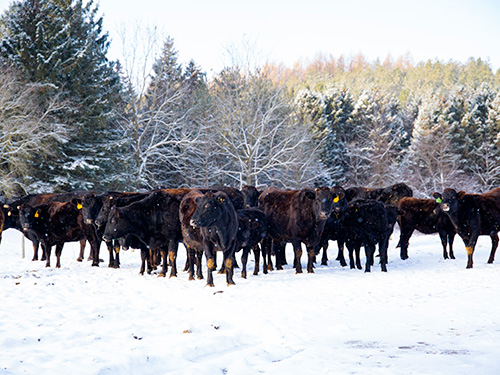
Protecting pipes, fencing, and equipment is an essential part of winter preparation for any small farm or rural property. Cold temperatures, freezing moisture, and harsh weather can cause costly damage if preventative steps aren’t taken early. A little time spent preparing now can help avoid repairs and downtime when winter weather hits.
Start with pipes and water systems, which are often the most vulnerable. Insulate exposed pipes in barns, sheds, and outdoor wash areas using foam sleeves or heat tape. Disconnect and drain hoses, and shut off water lines to areas not in regular use. If livestock waterers are part of your operation, test tank heaters and deicers before freezing temperatures arrive. Keeping water moving — either through regular use or circulating systems — also reduces the risk of freezing.
Next, turn your attention to fencing. Walk your fence lines and look for loose posts, sagging wire, or damaged gates. Frozen ground can make winter repairs difficult, so tightening wires and replacing broken insulators ahead of time is key. Trim tree limbs that could fall under the weight of ice or snow, especially near electric fences. For electric systems, check chargers and grounding rods to ensure consistent performance through wet and frozen conditions.
Farm equipment also needs protection from winter’s wear and tear. Clean and inspect tractors, implements, and tools before storing them. Remove dirt and debris that can trap moisture and cause rust. Store equipment under cover whenever possible, and use tarps or breathable covers if indoor storage is limited. Top off fluids, check antifreeze levels, and disconnect batteries on rarely used equipment to extend their life.
By taking a proactive approach to protecting pipes, fencing, and equipment, small farm owners can reduce winter damage, save on repair costs, and ensure everything is ready to go when warmer weather returns.
Start with pipes and water systems, which are often the most vulnerable. Insulate exposed pipes in barns, sheds, and outdoor wash areas using foam sleeves or heat tape. Disconnect and drain hoses, and shut off water lines to areas not in regular use. If livestock waterers are part of your operation, test tank heaters and deicers before freezing temperatures arrive. Keeping water moving — either through regular use or circulating systems — also reduces the risk of freezing.
Next, turn your attention to fencing. Walk your fence lines and look for loose posts, sagging wire, or damaged gates. Frozen ground can make winter repairs difficult, so tightening wires and replacing broken insulators ahead of time is key. Trim tree limbs that could fall under the weight of ice or snow, especially near electric fences. For electric systems, check chargers and grounding rods to ensure consistent performance through wet and frozen conditions.
Farm equipment also needs protection from winter’s wear and tear. Clean and inspect tractors, implements, and tools before storing them. Remove dirt and debris that can trap moisture and cause rust. Store equipment under cover whenever possible, and use tarps or breathable covers if indoor storage is limited. Top off fluids, check antifreeze levels, and disconnect batteries on rarely used equipment to extend their life.
By taking a proactive approach to protecting pipes, fencing, and equipment, small farm owners can reduce winter damage, save on repair costs, and ensure everything is ready to go when warmer weather returns.