
Firewood, Heaters, and Generators: Winter Safety on the Farm
Dec 29, 2025
Winter weather can catch anyone off guard if they aren’t prepared. As cold weather increases so does the need for supplemental heat and backup power on farms across Tennessee. Firewood, heaters, and generators play a critical role during winter; using these tools safely is just as important as having them ready when temperatures drop.
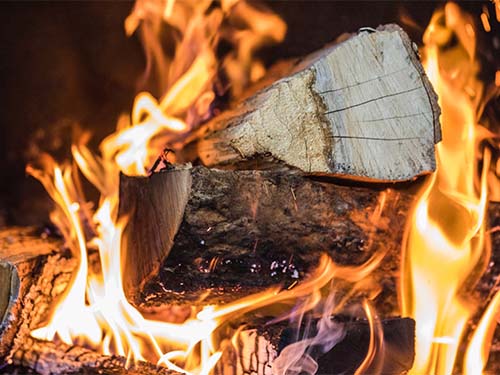
Firewood is often the most accessible heating option, but it can also be one of the most dangerous if used improperly. Fireplaces and wood-burning stoves are a leading cause of house fires during the winter months, especially if not properly maintained.
Creosote buildup can create serious fire hazards if left unchecked. A good rule of thumb is to be sure all flammable items — like furniture, curtains, and rugs — are away from any open flames and remember to store your firewood in a dry, well-ventilated area.
The use of heaters is among the safest ways to heat your home. However, it is important to keep heaters on stable, non-flammable surfaces. Proper ventilation is essential when using fuel-powered heaters, due to the chance of carbon monoxide buildup. Installing smoke detectors and carbon monoxide alarms in your home or barn can ease your mind if you are concerned.
Generators are important items to have when temperatures suddenly drop and power lines freeze, leaving you without power in fridged temperatures and putting both your family and livestock at risk.
When generators are operated, they should be placed away from enclosed spaces to prevent carbon monoxide exposure. They need regular maintenance so they can continue running without a hitch. Be sure to buy the correct fuel, store the fuel properly, and have a clear plan for emergency power. This will help ensure that your generator is ready when you need it most.
When you take time to review winter safety practices, you can prevent future accidents, protect property, and provide peace of mind throughout the colder months. A little preparation goes a long way in keeping your farm safe, warm, and running smoothly all winter long.
Firewood is often the most accessible heating option, but it can also be one of the most dangerous if used improperly. Fireplaces and wood-burning stoves are a leading cause of house fires during the winter months, especially if not properly maintained.
Creosote buildup can create serious fire hazards if left unchecked. A good rule of thumb is to be sure all flammable items — like furniture, curtains, and rugs — are away from any open flames and remember to store your firewood in a dry, well-ventilated area.
The use of heaters is among the safest ways to heat your home. However, it is important to keep heaters on stable, non-flammable surfaces. Proper ventilation is essential when using fuel-powered heaters, due to the chance of carbon monoxide buildup. Installing smoke detectors and carbon monoxide alarms in your home or barn can ease your mind if you are concerned.
Generators are important items to have when temperatures suddenly drop and power lines freeze, leaving you without power in fridged temperatures and putting both your family and livestock at risk.
When generators are operated, they should be placed away from enclosed spaces to prevent carbon monoxide exposure. They need regular maintenance so they can continue running without a hitch. Be sure to buy the correct fuel, store the fuel properly, and have a clear plan for emergency power. This will help ensure that your generator is ready when you need it most.
When you take time to review winter safety practices, you can prevent future accidents, protect property, and provide peace of mind throughout the colder months. A little preparation goes a long way in keeping your farm safe, warm, and running smoothly all winter long.