
Count on Co-op for Garden Supplies, Expertise
Mar 09, 2026
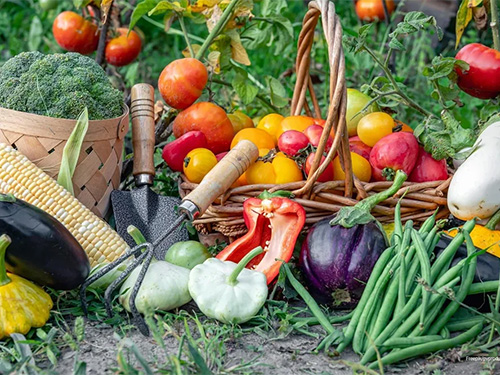
Vegetable gardening has historically had its ups and downs. As far back as the pilgrims, nearly everybody was a gardener. Because people grew food to survive, they developed their own gardening skills out of necessity. During World War II, Americans were encouraged to grow much of their own food in “victory gardens” to help with the expensive war effort. But as more efficient methods of growing larger amounts of food were developed, fewer people raised their own vegetables.
There are several reasons you should consider growing a garden this year. Gardens bring the community together when vegetables are shared with friends and neighbors. They also look good growing in your yard when maintained properly. Children love to help in the garden and see the results of their efforts. Gardens provide “free Food” for your family, saving you money at the grocery store. Additionally, many folks are adamant that fresh food tastes much better than store-bought. Gardening also adds nutrients and organic matter to soil, and tilling the soil allows air and moisture to penetrate more easily.
Garden seed remains a staple category for Co-op. Of course, the selection has changed over time as varieties have been introduced or phased out. We continually look for new varieties that fit our area. Different types of garden seeds are sold in Co-op stores today, including those pollinated by nature. They are the offspring of two plants of the same variety that have been pollinated. Heirloom seeds are a special classification of open-pollinated seeds that are more than 50 years old. The seeds were gathered in the fall, planted in the spring, and matured without human interference in the seed-creation process. Hybrid seeds are those crossed by humans to express certain traits in the plants.
While hybrids offer many interesting variations, they lack the usable seed for next year that heirlooms offer. GMO (genetically modified organism) seeds are those that have their DNA strands modified to insert specific traits. This allows companies to create seeds that are pest- and cold-resistant, produce higher yields, and enhance weed management.
For all your garden planning and needs, check with your local Co-op for availability and advice. The stores stock Co-op garden seeds, and knowledgeable personnel know all about the different varieties. Of course, Co-op sells other quality products like fertilizer, pesticides, and soil amendments to make your garden a success. Click here to find your local Co-op.
There are several reasons you should consider growing a garden this year. Gardens bring the community together when vegetables are shared with friends and neighbors. They also look good growing in your yard when maintained properly. Children love to help in the garden and see the results of their efforts. Gardens provide “free Food” for your family, saving you money at the grocery store. Additionally, many folks are adamant that fresh food tastes much better than store-bought. Gardening also adds nutrients and organic matter to soil, and tilling the soil allows air and moisture to penetrate more easily.
Garden seed remains a staple category for Co-op. Of course, the selection has changed over time as varieties have been introduced or phased out. We continually look for new varieties that fit our area. Different types of garden seeds are sold in Co-op stores today, including those pollinated by nature. They are the offspring of two plants of the same variety that have been pollinated. Heirloom seeds are a special classification of open-pollinated seeds that are more than 50 years old. The seeds were gathered in the fall, planted in the spring, and matured without human interference in the seed-creation process. Hybrid seeds are those crossed by humans to express certain traits in the plants.
While hybrids offer many interesting variations, they lack the usable seed for next year that heirlooms offer. GMO (genetically modified organism) seeds are those that have their DNA strands modified to insert specific traits. This allows companies to create seeds that are pest- and cold-resistant, produce higher yields, and enhance weed management.
For all your garden planning and needs, check with your local Co-op for availability and advice. The stores stock Co-op garden seeds, and knowledgeable personnel know all about the different varieties. Of course, Co-op sells other quality products like fertilizer, pesticides, and soil amendments to make your garden a success. Click here to find your local Co-op.