
Consider Raised Beds for this Year’s Garden
Apr 14, 2025
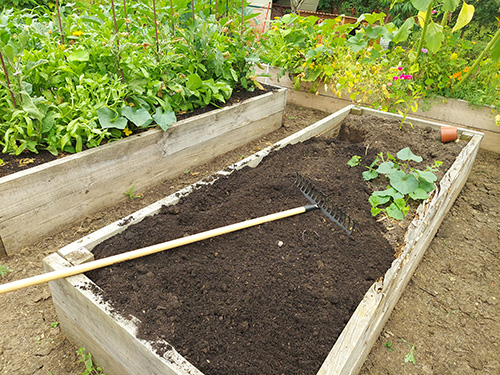
Before the weather even turns warm, many gardening enthusiasts are already making plans and studying seed choices for their home garden. Although many Tennessee residents have plenty of room for a garden, others may not be so lucky. If you’re hampered by a lack of space for your gardening choices, raised beds might be a solution.
Though more common in urban or suburban areas, raised beds offer many advantages. They provide better soil control, offer improved drainage, and in some cases, can extend the growing season. The soil in a raised bed warms up much more quickly than the soil at ground level, resulting in an earlier and longer growing season.
Plus, for those with mobility issues or problems with back pain, for example, beds can be constructed to allow easier access than the bending and stooping you might think of when considering a traditional garden.
When planning your raised beds, carefully consider the size. Experts recommend a width of three to four feet, so you can easily reach the center of the bed. A height of about three feet is optimal for easiest access. And a length of six to eight feet is a good-sized area.
You can grow many vegetables in raised beds. Tomatoes, corn, and beans are good choices, as well as early crops like broccoli, lettuce, and kale. Strawberries are well suited to them as well. Or an herb garden is a nice option. Try to avoid vining plants, like pumpkins and squash.
Take your time, develop a plan, and above all, have fun. The staff at your local Co-op can help answer your gardening questions and assist in choosing the right soil, fertilizer, and seed.
For more information like this, read the latest issue of The Cooperator.
Though more common in urban or suburban areas, raised beds offer many advantages. They provide better soil control, offer improved drainage, and in some cases, can extend the growing season. The soil in a raised bed warms up much more quickly than the soil at ground level, resulting in an earlier and longer growing season.
Plus, for those with mobility issues or problems with back pain, for example, beds can be constructed to allow easier access than the bending and stooping you might think of when considering a traditional garden.
When planning your raised beds, carefully consider the size. Experts recommend a width of three to four feet, so you can easily reach the center of the bed. A height of about three feet is optimal for easiest access. And a length of six to eight feet is a good-sized area.
You can grow many vegetables in raised beds. Tomatoes, corn, and beans are good choices, as well as early crops like broccoli, lettuce, and kale. Strawberries are well suited to them as well. Or an herb garden is a nice option. Try to avoid vining plants, like pumpkins and squash.
Take your time, develop a plan, and above all, have fun. The staff at your local Co-op can help answer your gardening questions and assist in choosing the right soil, fertilizer, and seed.
For more information like this, read the latest issue of The Cooperator.