
Minerals Matter
Feb 02, 2026
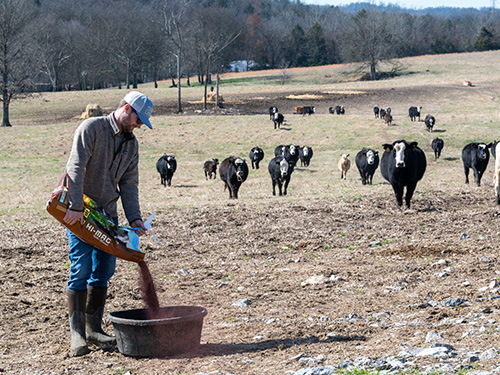
Forage, protein, and energy usually get the spotlight in cattle nutrition, but minerals often determine whether the whole program works as intended. Minerals support immune function, reproduction, growth, milk production, hoof and bone strength, and overall thriftiness. In Tennessee, mineral nutrition deserves special attention because pasture mineral content can shift with soil type, fertilization practices, rainfall, and stage of plant growth. Even a good-looking pasture may not consistently meet the animal’s mineral needs, especially during late gestation and early lactation.
Mineral deficiencies and imbalances rarely announce themselves with one clear sign. More often, they show up as “background problems” — lower conception rates, weaker calf vigor, higher sickness pressure, reduced weight gains, or inconsistent performance from pasture to pasture. These issues can be expensive, and they’re difficult to correct quickly because minerals influence body systems over time.
Balance matters as much as amount. Calcium and phosphorus are tied to bone, growth, and milk production. Trace minerals like copper and zinc are closely linked to immunity and reproduction. Selenium and iodine play important roles in muscle function, thyroid activity, and calf health. Another reason mineral programs are worthwhile is that minerals can interact. For example, high levels of sulfur or iron in the diet (or water) can reduce the availability of certain trace minerals, particularly copper. Since most operations don’t routinely test every forage source and water supply, a well-designed mineral program helps reduce risk when conditions change.
In practical terms, a complete mineral is more likely to support reproduction, immunity, and performance because it addresses what the forage may be missing — not just salt cravings.
A high-magnesium mineral is important in Tennessee. High-magnesium (hi-mag) mineral is a type of complete mineral formulated with elevated magnesium to help prevent grass tetany (low-blood magnesium). Grass tetany is most often seen in lactating cows grazing lush, cool-season pasture. It can progress quickly — often with minimal warning — and may lead to muscle tremors, staggering, collapse, and death if not treated promptly.
Tennessee conditions can increase risk because spring growth of tall fescue and other cool-season grasses can be low in magnesium and often high in potassium. Those factors can reduce magnesium intake and absorption right when cows’ magnesium demand is high. Risk tends to be greatest in older cows, heavy milkers, and cows in early lactation. Cool, wet, cloudy weather and rapid pasture growth can further raise the odds.
For more information about effective mineral programs, visit with your local Co-op feed specialist.
Mineral deficiencies and imbalances rarely announce themselves with one clear sign. More often, they show up as “background problems” — lower conception rates, weaker calf vigor, higher sickness pressure, reduced weight gains, or inconsistent performance from pasture to pasture. These issues can be expensive, and they’re difficult to correct quickly because minerals influence body systems over time.
Balance matters as much as amount. Calcium and phosphorus are tied to bone, growth, and milk production. Trace minerals like copper and zinc are closely linked to immunity and reproduction. Selenium and iodine play important roles in muscle function, thyroid activity, and calf health. Another reason mineral programs are worthwhile is that minerals can interact. For example, high levels of sulfur or iron in the diet (or water) can reduce the availability of certain trace minerals, particularly copper. Since most operations don’t routinely test every forage source and water supply, a well-designed mineral program helps reduce risk when conditions change.
In practical terms, a complete mineral is more likely to support reproduction, immunity, and performance because it addresses what the forage may be missing — not just salt cravings.
A high-magnesium mineral is important in Tennessee. High-magnesium (hi-mag) mineral is a type of complete mineral formulated with elevated magnesium to help prevent grass tetany (low-blood magnesium). Grass tetany is most often seen in lactating cows grazing lush, cool-season pasture. It can progress quickly — often with minimal warning — and may lead to muscle tremors, staggering, collapse, and death if not treated promptly.
Tennessee conditions can increase risk because spring growth of tall fescue and other cool-season grasses can be low in magnesium and often high in potassium. Those factors can reduce magnesium intake and absorption right when cows’ magnesium demand is high. Risk tends to be greatest in older cows, heavy milkers, and cows in early lactation. Cool, wet, cloudy weather and rapid pasture growth can further raise the odds.
For more information about effective mineral programs, visit with your local Co-op feed specialist.