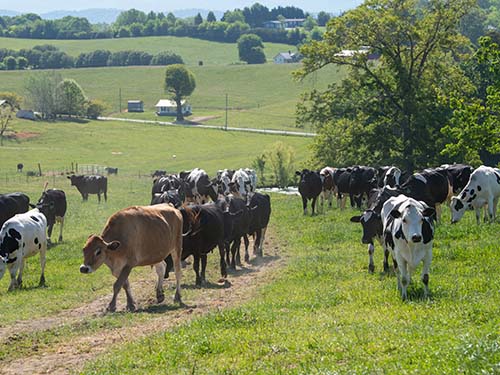
Although many producers welcome warm, sunny conditions after a hard winter, the summer season can be stressful and challenging for our animals. While cattle and most other livestock do well under 68° F, periods of high humidity, reduced air movement, insignificant cloud cover, and little overnight cooling relief can lower productivity in your herd. There are several strategies that should be implemented to protect livestock during these conditions. Consider the following:
• Cattle have limited ability to sweat and rely predominantly on panting to increase evaporative heat loss through their lungs and nasal passages. This, along with the dilation of blood vessels near the surface of the skin to increase radiant and convective heat loss, results in a significant increase in daily water needs. Ensure fresh water is always available and easily accessible to the herd. Stagnant ponds are not recommended as cattle will wade and excrete in the same water they drink. In no time, ponds become pools for bacteria, increasing the occurrence of infection and potentially mastitis. If no other alternative water exists, consider temporary fencing or physical barriers to limit access to ponds so that drinking is the only option.
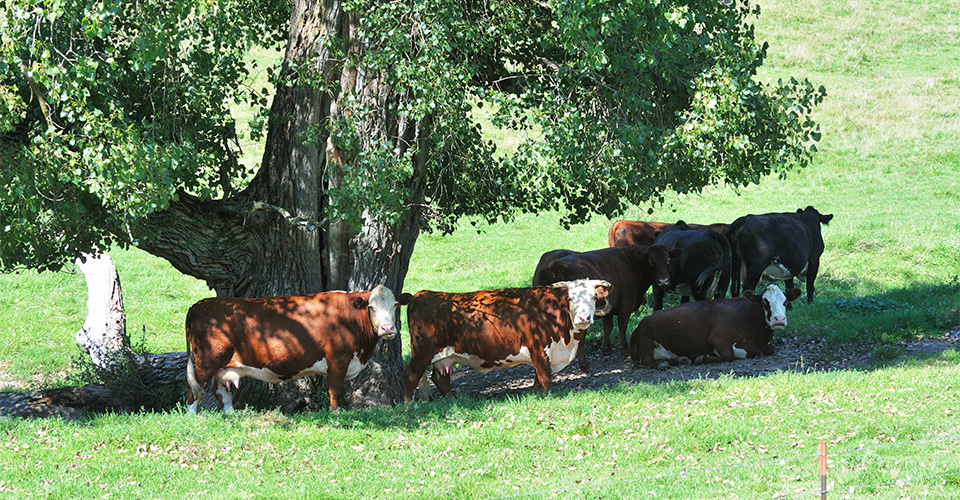
• Shade in the form of trees or manufactured shelter can reduce solar radiation gained by cattle as well as the ground they stand on. However, large congregations of cattle in these areas can lead to the accumulation of mud, increasing the potential for foot rot and other hoof problems. Portable panels or electric fencing can be installed to exclude cattle from an area until it has time to recover.
• Offer any supplemental feed in the late afternoon so that the majority of digestion occurs overnight when temperatures are lower. Avoid working or moving cattle on the hottest days when possible; however, if you have no other choice, plan to do so in the early morning hours. Move animals slowly and calmly, and avoid overcrowding. Decrease the load density and minimize time spent in the trailer while transporting cattle.
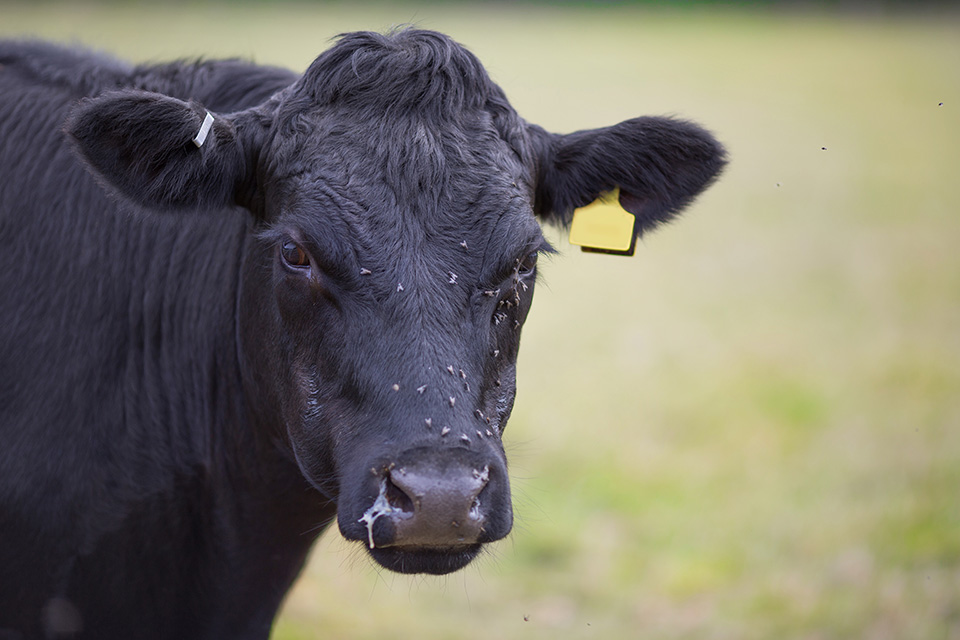
• Flies cause cattle to generate more heat as they crowd together and try to dislodge them. Insecticide ear tags, pour-ons, sprays, and feed-through insect growth regulators (IGRs) are proven control methods. A free-choice vitamin/mineral supplement with IGR is often the most convenient approach.
• Periods of heat stress increase the need for electrolytes to maintain sodium and potassium balance. Always provide proper mineral supplementation during the summer months.
Healthy, comfortable animals tend to be productive, profitable animals, so take steps now to ensure your herd is ready to deal with summer’s heat. Your feed and animal health specialist can help with whatever needs are deemed necessary.