
Cold Temperatures, Wind, and Rain Increase Hay Intake for Horses
Jan 03, 2023
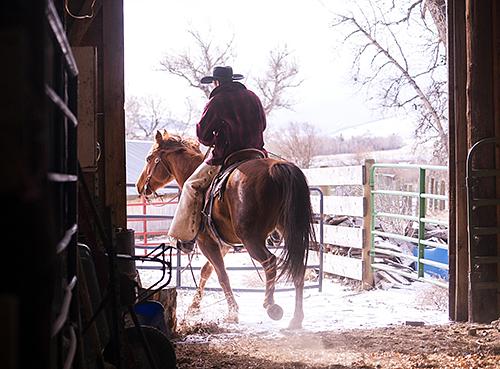
Cold temperatures combined with wet and windy conditions increase the amount of feed necessary to maintain proper body condition in horses, especially those that are kept outside. Extra calories necessary to meet the increased energy requirements of horses should first be provided by good quality hay. Feeding large amounts of cereal grains can lead to digestive disorders. Feeding alfalfa or alfalfa-grass mix hay will provide more calories than grass hay alone and is safer than feeding large quantities of grain. The average horse requires about 20 lbs. of forage per day, and winter weather can increase the amount of hay needed by 30-50%.
The lower critical temperature (LCT) is the lowest temperature at which horses require no additional feed to maintain core body temperature. Horses with moderate and heavy winter hair coats have lower LCT and are well suited for cold temperatures. Heavy winter hair coats act like insulation by trapping air. If the coat is wet from rain, the ability to insulate is reduced, thus increasing the LCT. Horses that have heavy winter hair coats should not be blanketed in most cases because it mats down the hair and reduces the horse’s natural ability to insulate against cold weather.
Other considerations:
For more content like this, check out the latest issue of The Cooperator!
The lower critical temperature (LCT) is the lowest temperature at which horses require no additional feed to maintain core body temperature. Horses with moderate and heavy winter hair coats have lower LCT and are well suited for cold temperatures. Heavy winter hair coats act like insulation by trapping air. If the coat is wet from rain, the ability to insulate is reduced, thus increasing the LCT. Horses that have heavy winter hair coats should not be blanketed in most cases because it mats down the hair and reduces the horse’s natural ability to insulate against cold weather.
Other considerations:
- Large bodied horses are more tolerant because they have a lower relative body surface area per unit of weight.
- Newborn foals have very poor cold tolerance.
- Horses up to one year of age are less cold tolerant than adult horses.
- Mares in late pregnancy/lactation have reduced cold tolerance.
For more content like this, check out the latest issue of The Cooperator!