
The Benefits of Automatic Waterers
Jan 24, 2022
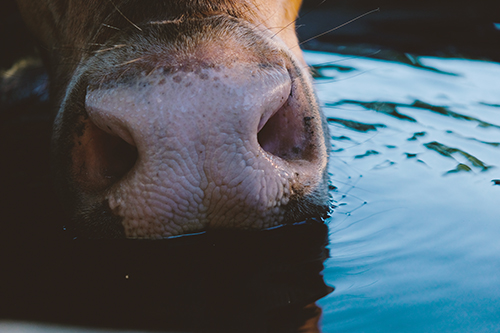
A water trough that is always full, stays clean, and keeps water at a comfortable temperature is an attractive offering to most livestock. Especially during the winter months, it is important to encourage your animals to drink by preventing any conditions that could turn them away. Such deterrents include stale and stagnant water, contaminants such as algae, or ice over the surface.
Unfortunately, maintaining each trough by yourself is not an enjoyable farm chore. Large farms often have many different tanks which can turn into a time-consuming process when having to clean each one. Small farms, on the other hand, are likely to have too few hands-on-deck to spend such time on one task.
Automatic waterers can help to mitigate the work required to get the job done. Benefits of automatic waterers include:
Your local Co-op has access to a variety of automatic waterers and will be happy to provide information and advice on the best waterer to fit your farm’s needs. Even if you decide that automatic waterers are not practical for your farm, we carry plenty of galvanized stock tanks from trusted brands such as Tarter and Priefert.
For more content like this, check out the latest issue of the Cooperator.
Unfortunately, maintaining each trough by yourself is not an enjoyable farm chore. Large farms often have many different tanks which can turn into a time-consuming process when having to clean each one. Small farms, on the other hand, are likely to have too few hands-on-deck to spend such time on one task.
Automatic waterers can help to mitigate the work required to get the job done. Benefits of automatic waterers include:
- Provides cleaner, fresher water that is less likely to become stagnant
- Keeps water cool in the summer and prevents freezing in the winter
- Less time and labor spent cleaning troughs; no more lugging around buckets or dragging out the hose to fill up the trough
- Provides constant availability of drinking water, therefore preventing dehydration
- Less water wasted; no more dumping out gallons and gallons of water to clean buckets and troughs
- Reduces energy costs compared to using traditional tank heaters
Your local Co-op has access to a variety of automatic waterers and will be happy to provide information and advice on the best waterer to fit your farm’s needs. Even if you decide that automatic waterers are not practical for your farm, we carry plenty of galvanized stock tanks from trusted brands such as Tarter and Priefert.
For more content like this, check out the latest issue of the Cooperator.