
Poultry Waterers for Hot Summer Days
Jul 01, 2019
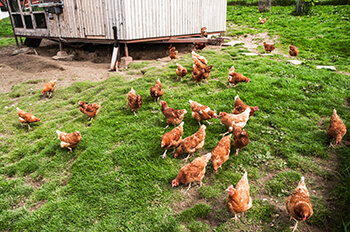
Providing water for your poultry flock involves more than just filling up an old bowl you’d use for a cat or dog. Choosing a poultry waterer is serious business since a chicken needs clean, fresh water in close range during its waking hours.
How much water a chicken drinks in a day varies with its individual needs, its activity level, and the heat of the day. A full-sized chicken will drink up to ½ liter per day in hot weather. Extreme heat can be very dangerous, even deadly, for poultry.
There are a number of different poultry waterers available through Co-op, such as Miller Manufacturing Company plastic waterers that are designed to give your flock easy access to fresh water without spillage concerns. Miller Manufacturing waterers are available in sizes ranging from 1 quart to 8 gallons to accommodate both small and large flocks.
Co-op also offers Sav-A-Chickâ, an electrolyte and vitamin supplement that can be added to poultry drinking water to support hydration and bird health during periods of hot weather or other stress.
Waterer Tips:
• Keep the waterer level. This prevents water from overflowing onto the floor or soil.
• Clean often. Hard water deposits or algae may block valves.
• Place waterers on concrete blocks or stands. Birds are less likely to foul the water when scratching near it.
• Change the waterer’s location often. This prevents mud holes from forming.
• Do not place waterers in the sun. A shaded location reduces the amount of evaporation and keeps the water cooler.
For help with selecting a poultry waterer for your flock, visit the professionals at your local Co-op.
How much water a chicken drinks in a day varies with its individual needs, its activity level, and the heat of the day. A full-sized chicken will drink up to ½ liter per day in hot weather. Extreme heat can be very dangerous, even deadly, for poultry.
There are a number of different poultry waterers available through Co-op, such as Miller Manufacturing Company plastic waterers that are designed to give your flock easy access to fresh water without spillage concerns. Miller Manufacturing waterers are available in sizes ranging from 1 quart to 8 gallons to accommodate both small and large flocks.
Co-op also offers Sav-A-Chickâ, an electrolyte and vitamin supplement that can be added to poultry drinking water to support hydration and bird health during periods of hot weather or other stress.
Waterer Tips:
• Keep the waterer level. This prevents water from overflowing onto the floor or soil.
• Clean often. Hard water deposits or algae may block valves.
• Place waterers on concrete blocks or stands. Birds are less likely to foul the water when scratching near it.
• Change the waterer’s location often. This prevents mud holes from forming.
• Do not place waterers in the sun. A shaded location reduces the amount of evaporation and keeps the water cooler.
For help with selecting a poultry waterer for your flock, visit the professionals at your local Co-op.