
Container Gardening at Its Finest

May 04, 2020
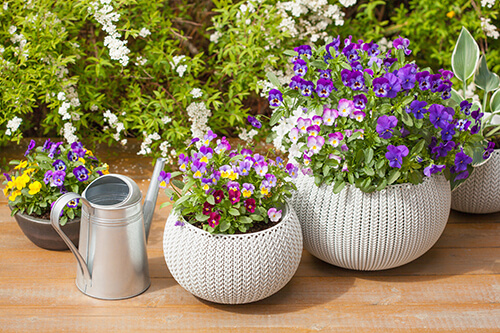

Summer is here, and that means gardening fever is at an all-time high. However, if you’re like many people, you may not have enough (or any) yard space for a garden. Luckily, there’s another option that’s both functional and cute — container gardens! Here’s our tips for creating and maintaining a successful container garden.
 
  1. Choosing the pot
This is a simple but important step. Choose pots that allow enough room for plants to grow but don’t forget to consider your home décor style and the vibe you want to create in the space.
  1. Picking the soil
Potting soil is always a safe bet. It is loose, full of nutrients, and ready for instant planting! Also, consider what kind of plants you want when you’re choosing soil products.Sometimes certain vegetables or flowers have specific nutritional needs, so you’ll want to choose a soil that best fits your plants.
  1. Finding the location
Where are you planning to put these new living decorations? Front porch, back porch, stoop, in a room, or on the patio? Once you’ve chosen the location, notice the timing and amount of natural light. If your space has lots of sunlight, plant wax begonias, pansies, sage, or lantana. For areas with partial shade, consider dahlias, periwinkles, petunias, or daylilies. For areas with little natural light, consider planning hostas, coleus, or impatiens. There are so many options for every light situation, but you need to read the plant tags and ask questions.
  1. Planting a variety
While considering nutritional and sunlight needs are important when choosing plants for container, make sure you are creating a visual pleasing piece with variety. Choose plants that have different colors, heights, blooming seasons, and standability. Working from front to back, begin with the smallest plants and anchor the back with the tallest. For a little more punch, maybe throw in some sweet potato vine to hang off the edges.
  1. Checking in daily
Once your beautiful new container garden is planted and placed, give it attention often. Water daily and monitor it for disease, and make sure you cover or bring pots inside if temperatures drop below 40 degrees.
 
We hope these tips have inspired you to satisfy your gardening fever with a project that will also to make your home just a little bit more beautiful. Happy gardening!


Read More News

Aug 10, 2026
Honey is a natural sweetener packed with antioxidants, which help reduce inflammation. It soothes sore throats and acts as a natural cough suppressant. Additionally, raw honey features antibacterial and anti-inflammatory properties that aid in wound and burn healing.
Jul 20, 2026
As homeowners continue to enjoy decorating with whimsical décor, one quirky lawn ornament is back and more popular than ever — the porch goose, complete with a whole suitcase of seasonal outfits. Now, a new generation of homeowners is embracing their nostalgic charm.
Jun 22, 2026
To control weeds around your home and farm, apply both pre-emergent and post-emergent treatments. Pre-emergent weed control is designed to prevent weed growth before weeds sprout. It should be applied twice in the spring, once in late summer, and once in the fall — so four times throughout the year. Post-emergent weed control targets those weeds that still seem to come through the soil even after pre-emergent treatment. Apply post-emergent control as needed throughout the growing season regularly from spring to fall.