
Benefits of Using Raised Garden Beds

Apr 12, 2021
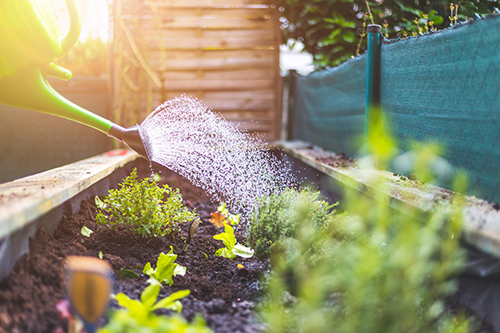

To kick off Garden Week, we’d like to call attention to the benefits of using raised garden beds. The practicality of using raised beds has been debated by many gardeners, but it is definitely not a new concept. Raised garden beds date all the way back to 300 B.C. when the Incas used a system of parallel canals and raised plant beds to prevent erosion in an agricultural technique called Waru Waru.
 
Even today, raised garden beds offer many advantages to gardeners of all types and skill-levels. Here are five reasons you might consider using raised beds in your garden:
 
  1. Weed prevention
Raised garden beds prevent pathway weeds from invading your garden’s soil and are one of the most effective ways to battle crabgrass. Instead of tilling up the soil every year, which can actually create more weeds, gardeners can simply add compost and other materials directly on top of what is already in the raised bed.
 
  1. Pest prevention
Raised garden beds provide a barrier to small pests such as snails and slugs, which are known to eat flowering buds, plant leaves, and roots. Fences can also be easily added to the sides of the bed to keep out larger invaders such as deer and dogs.
 
  1. Reduce compaction
Raised garden beds increase drainage and almost entirely eliminate compaction due to foot traffic. Because they give plants extra breathing room above the saturated, compact conditions below, raised garden beds might be the only way to grow certain crops, especially in dense clay soil.
 
  1. Plant earlier
Raised garden beds allow gardeners to start planting earlier in the season. The soil in a raised bed warms up much more quickly than the soil at ground level, resulting in an earlier and longer growing season.
 
  1. Have more control
Raised garden beds tend to be more controllable and manageable because of their clearly-defined boundary. This can help to keep your pathways clear and your lawn looking pristine all summer long. Removable garden boxes can also be used for a temporary garden that can be easily moved to a different location.
 
These are only a few of the many benefits that raised garden beds provide. Whether you are interested in learning more or are ready to purchase one for yourself, your local Co-op will help guide you in the right direction.
 
For more information like this, read the latest issue of the Cooperator.
 

Read More News

Jun 22, 2026
To control weeds around your home and farm, apply both pre-emergent and post-emergent treatments. Pre-emergent weed control is designed to prevent weed growth before weeds sprout. It should be applied twice in the spring, once in late summer, and once in the fall — so four times throughout the year. Post-emergent weed control targets those weeds that still seem to come through the soil even after pre-emergent treatment. Apply post-emergent control as needed throughout the growing season regularly from spring to fall.
 
May 25, 2026

Applying insecticide at the right time is key to protecting your lawn. Too early, and pests aren’t active; too late, and damage like thinning turf and brown patches has already occurred. Because different pests peak at different times, effective control depends on timing treatments with their life cycles and local conditions.

Apr 13, 2026
April is an ideal month to experience Tennessee’s outdoors, with mild weather, blooming landscapes, and lighter crowds before summer. Popular activities include exploring state parks, hiking for exercise, spotting wildflowers, and attending spring festivals and community events.