
A Guide to Wyandotte Chickens
Jun 05, 2024
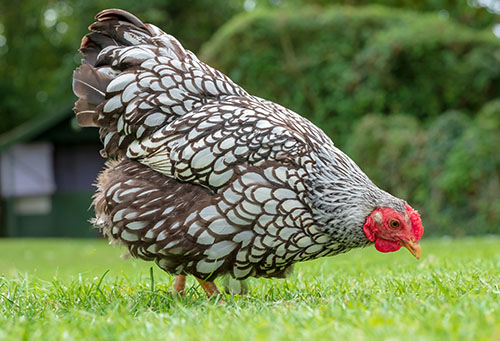
Known for their dual-purpose utility, Wyandotte chickens are a beloved addition to many backyard flocks. These chickens are exceptional egg layers and are also prized for their meat. Beyond their practical benefits, Wyandottes are also visually appealing, adding a touch of diversity to any flock.
In this blog, we’ll take a quick look at some breed characteristics and other factors you may consider as you raise your Wyandotte chickens.
Wyandotte quick facts:
Personality:
Wyandottes are known for their docile and friendly nature, making them an excellent choice for backyard flocks. These birds enjoy interacting with people and are particularly tolerant of children, making them a great addition for young families. They are also quiet, which is beneficial for those with close neighbors. Intelligent and responsive to positive reinforcement, Wyandottes can be trained to follow simple commands, enhancing the experience of keeping these birds.
In mixed flocks, Wyandottes are social and enjoy foraging. While they can be territorial when nesting, they are generally non-aggressive. Wyandotte roosters can exhibit typical rooster aggression but are usually calmer around people compared to other breeds.
Maternal instincts:
Wyandotte hens are excellent mothers, ensuring their hatchling are well-fed and teaching them how to forage. They stay close to their chicks to protect them from other birds and potential threats within the flock. During nesting, Wyandotte hens can become broodier and more protective, with varying levels of aggression depending on the individual hen.
Egg production:
Wyandotte hens begin laying eggs at about four to six months old, producing around three to four eggs per week. These eggs range in color from cream to brown. From the spring to fall, hens may lay up to one egg per day, and they tend to lay better in the winter than many other breeds. However, egg production may decrease during the colder months, so adding artificial lighting to the coop can help maintain egg production. A well-balanced diet is crucial for optimal egg production, and a high-protein feed or layering feed such as the Co-op Natural Layer Pellet feed is recommended.
Adaptability:
Wyandotte chickens are highly adaptable to different climates. Their dense feathering provides warmth in colder areas, and their rose combs are less prone to frostbite compared to traditional single combs. In warmer climates, their heavy body weight helps them cope with heat stress better than some lightweight breeds.
At Co-op, we’re here to support all your poultry needs, from feed and supplies to expert advice. Visit us today and let us help you create the ideal environment for your chickens to thrive. Find your nearest Co-op location here.
For more content like this, check out the latest issue of The Cooperator.
In this blog, we’ll take a quick look at some breed characteristics and other factors you may consider as you raise your Wyandotte chickens.
Wyandotte quick facts:
- Lifespan: 6 to 12 years.
- Weight: Hens will typically grow to be 6 to 7 lbs., while roosters will often reach up to 8 to 9 lbs.
- Varieties: Silver-laced and golden-laced are the most popular, while other varieties include black, blue, white, buff, partridge, silver-penciled, and Columbian, which are all recognized by the American Poultry Association.
- Egg production: 3 to 4 eggs per week, totaling approximately 150 to 200 eggs per year.
Personality:
Wyandottes are known for their docile and friendly nature, making them an excellent choice for backyard flocks. These birds enjoy interacting with people and are particularly tolerant of children, making them a great addition for young families. They are also quiet, which is beneficial for those with close neighbors. Intelligent and responsive to positive reinforcement, Wyandottes can be trained to follow simple commands, enhancing the experience of keeping these birds.
In mixed flocks, Wyandottes are social and enjoy foraging. While they can be territorial when nesting, they are generally non-aggressive. Wyandotte roosters can exhibit typical rooster aggression but are usually calmer around people compared to other breeds.
Maternal instincts:
Wyandotte hens are excellent mothers, ensuring their hatchling are well-fed and teaching them how to forage. They stay close to their chicks to protect them from other birds and potential threats within the flock. During nesting, Wyandotte hens can become broodier and more protective, with varying levels of aggression depending on the individual hen.
Egg production:
Wyandotte hens begin laying eggs at about four to six months old, producing around three to four eggs per week. These eggs range in color from cream to brown. From the spring to fall, hens may lay up to one egg per day, and they tend to lay better in the winter than many other breeds. However, egg production may decrease during the colder months, so adding artificial lighting to the coop can help maintain egg production. A well-balanced diet is crucial for optimal egg production, and a high-protein feed or layering feed such as the Co-op Natural Layer Pellet feed is recommended.
Adaptability:
Wyandotte chickens are highly adaptable to different climates. Their dense feathering provides warmth in colder areas, and their rose combs are less prone to frostbite compared to traditional single combs. In warmer climates, their heavy body weight helps them cope with heat stress better than some lightweight breeds.
At Co-op, we’re here to support all your poultry needs, from feed and supplies to expert advice. Visit us today and let us help you create the ideal environment for your chickens to thrive. Find your nearest Co-op location here.
For more content like this, check out the latest issue of The Cooperator.