
Protein power - Feeding your chickens during molting season
Jul 03, 2024
At the height of mid-summer, it may feel too premature to discuss the upcoming fall molting season. However, the molting season can begin as early as August, depending on the exact age of your flock.
Young chickens usually experience their first molt at around 18 months, and older birds can be expected to molt annually in the fall. The onset of molting is triggered by a reduction in daylight hours, which begins shortly after the summer equinox, which was June 20.
During the molting period, old feathers fall out and are replaced by newly grown feathers. Some chickens experience a “hard molt” that is completed within just a few weeks, while others molt less noticeably over the course of three to four months. While molting, the chicken’s energy reserves are directed primarily at growing feathers; most hens will lay sporadically, if at all, during this period.
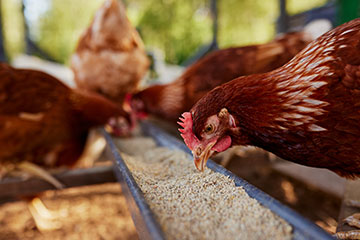
Chickens experiencing a molt should be fed a diet high in quality protein. Feathers are made up of approximately 85% protein; therefore, birds will need extra protein during the molting period to support healthy feather growth.
It is important to choose a diet fortified with high-quality, balanced amino acids, including lysine and methionine, to meet your flock’s elevated requirements. Co-op 22% Layer Mini-Pellet (item #127) is an excellent choice for year-round flock health and contains a high concentration of protein, including essential amino acids, along with vitamins and minerals to support your birds during times of stress and high nutrient needs.
You should also reduce or eliminate low-protein treats like scratch grains during the molting period to avoid unbalancing or diluting the nutrients in their diet. Higher protein treats, like dried mealworms, are more appropriate for molting birds but should be limited to less than 10% of the total diet.
Newly grown feather shafts are very sensitive, and molting may be uncomfortable or even painful for some chickens. Avoid handling your birds during this time so that you don’t create additional stress and discomfort.
Be sure you have ample space in your coop – at least 4 square feet per chicken – so that molting birds can maintain a comfortable distance from the rest of the flock. Monitor your flock for signs of pecking or other bullying behaviors. If bullying occurs despite plenty of space in the coop and separating the birds is required, it is better to remove the bully from the flock for a few days, rather than the bird being picked on.
When the bully is returned to the flock, it will usually find itself suddenly lower in the pecking order and be less likely to continue bullying other birds.
To support your chickens through their molt, provide them with a high-quality diet and a low-stress environment. Be sure to visit your local Co-op for all your poultry care needs.
Young chickens usually experience their first molt at around 18 months, and older birds can be expected to molt annually in the fall. The onset of molting is triggered by a reduction in daylight hours, which begins shortly after the summer equinox, which was June 20.
During the molting period, old feathers fall out and are replaced by newly grown feathers. Some chickens experience a “hard molt” that is completed within just a few weeks, while others molt less noticeably over the course of three to four months. While molting, the chicken’s energy reserves are directed primarily at growing feathers; most hens will lay sporadically, if at all, during this period.
Chickens experiencing a molt should be fed a diet high in quality protein. Feathers are made up of approximately 85% protein; therefore, birds will need extra protein during the molting period to support healthy feather growth.
It is important to choose a diet fortified with high-quality, balanced amino acids, including lysine and methionine, to meet your flock’s elevated requirements. Co-op 22% Layer Mini-Pellet (item #127) is an excellent choice for year-round flock health and contains a high concentration of protein, including essential amino acids, along with vitamins and minerals to support your birds during times of stress and high nutrient needs.
You should also reduce or eliminate low-protein treats like scratch grains during the molting period to avoid unbalancing or diluting the nutrients in their diet. Higher protein treats, like dried mealworms, are more appropriate for molting birds but should be limited to less than 10% of the total diet.
Newly grown feather shafts are very sensitive, and molting may be uncomfortable or even painful for some chickens. Avoid handling your birds during this time so that you don’t create additional stress and discomfort.
Be sure you have ample space in your coop – at least 4 square feet per chicken – so that molting birds can maintain a comfortable distance from the rest of the flock. Monitor your flock for signs of pecking or other bullying behaviors. If bullying occurs despite plenty of space in the coop and separating the birds is required, it is better to remove the bully from the flock for a few days, rather than the bird being picked on.
When the bully is returned to the flock, it will usually find itself suddenly lower in the pecking order and be less likely to continue bullying other birds.
To support your chickens through their molt, provide them with a high-quality diet and a low-stress environment. Be sure to visit your local Co-op for all your poultry care needs.