
Fly Control with Altocid
Jun 29, 2020
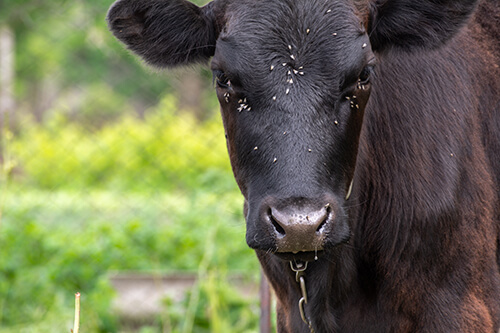
Fly populations can be a bit unpredictable during certain times of year. That’s often the case with horn flies on pasture cattle, as populations have been known to rise after heavy rainfall. This has created some mild concerns as cattle producers question whether their feed-through fly control products work effectively. To learn more, Central Life Sciences sent a team to the field to see the effect heavy rainfall has on Altosid IGR.
After conducting the study on various regions throughout the country, the team of experts came back with the same conclusion. Heavy rainfall events can lead to a brief spike in horn fly numbers among cattle being treated with Altosid IGR, but all fly populations in the study returned to their normal levels of control within 1-2 weeks.
While this information alone can be comforting, below is treatment tips to help producers plan for and address these population spikes.
· Monitor your local weather forecast to better predict when to begin treatments for each season.
· If you are already feeding Altosid IGR and notice fly populations exceeding the economic threshold following a rainfall event, knockdown adult fly populations with a spray such as Prolate/Lintox HDTM Insecticidal Spray and a backrub from Starbar Products.
· Continue feeding Altosid IGR. The product is still working to provide effective horn fly control, and should limit populations to their expected levels within a few weeks of the rain.
· Remember to feed Altosid IGR through the entire season and 30 days after the last frost. This helps producers account for the unpredictability of the seasons and help limit the overwintering flies that will jumpstart the population the following spring.
Altosid IGR delivers effective horn fly control producers have relied upon for nearly 50 years. While heavy rainfall may produce a brief uptick in horn fly numbers, producers that weather the storm and continue feeding Altosid IGR can help keep their cattle healthy and profitable all season long.
Still have questions about controlling horn flies on pasture cattle? Stop by your local Co-op or reach out to your local animal health specialist!
After conducting the study on various regions throughout the country, the team of experts came back with the same conclusion. Heavy rainfall events can lead to a brief spike in horn fly numbers among cattle being treated with Altosid IGR, but all fly populations in the study returned to their normal levels of control within 1-2 weeks.
While this information alone can be comforting, below is treatment tips to help producers plan for and address these population spikes.
· Monitor your local weather forecast to better predict when to begin treatments for each season.
· If you are already feeding Altosid IGR and notice fly populations exceeding the economic threshold following a rainfall event, knockdown adult fly populations with a spray such as Prolate/Lintox HDTM Insecticidal Spray and a backrub from Starbar Products.
· Continue feeding Altosid IGR. The product is still working to provide effective horn fly control, and should limit populations to their expected levels within a few weeks of the rain.
· Remember to feed Altosid IGR through the entire season and 30 days after the last frost. This helps producers account for the unpredictability of the seasons and help limit the overwintering flies that will jumpstart the population the following spring.
Altosid IGR delivers effective horn fly control producers have relied upon for nearly 50 years. While heavy rainfall may produce a brief uptick in horn fly numbers, producers that weather the storm and continue feeding Altosid IGR can help keep their cattle healthy and profitable all season long.
Still have questions about controlling horn flies on pasture cattle? Stop by your local Co-op or reach out to your local animal health specialist!