
Embracing tradition and nurturing future farmers
Sep 05, 2023
By John Houston, ProTrition Director of Business Services
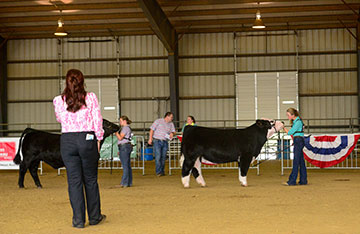
County fairs are cherished annual events that bring communities together and celebrate agriculture and local culture. Among the many attractions, livestock shows stand out as true reflections of rural life and a time-honored tradition. These shows provide a platform for young farmers and future agriculturalists to showcase their hard work, dedication, and passion for animal husbandry.
Livestock shows at county fairs hold deep historical significance, dating back to the origins of agriculture itself. These events serve as a reminder of our roots, preserving agricultural heritage and reminding us of the fundamental relationship between humans and animals. By supporting these shows, we help ensure that agriculture remains an integral part of our cultural fabric.
These events provide a unique educational opportunity for both participants and visitors. For young farmers, a show equates to hands-on experience in animal husbandry, and instills the values of responsibility, hard work, and respect for animals. For the public, it's a chance to witness the daily efforts and challenges faced by farmers, fostering an appreciation for the labor behind the food on their plates. The shows also build awareness about the importance of sustainable farming practices and the need for food security.
County fairs are economic hubs for rural communities, attracting visitors from near and far. When we support livestock shows, we contribute to the economic growth of local businesses, from food vendors and artisans to the agriculture suppliers who provide equipment and feed for the animals. This influx of visitors stimulates the local economy and creates job opportunities, fostering prosperity in the community.
In an era where agriculture faces numerous challenges, nurturing the next generation of farmers is paramount. Livestock shows offer youth an opportunity to hone their skills, gain confidence, and develop leadership qualities. The knowledge and experience gained from these events prepare them for a future in agriculture, ensuring that farming remains a viable and sustainable profession.
County fair livestock shows are not just about competition; they also promote animal welfare. Participants invest time and effort in raising and training their animals, ensuring they are well-cared for and healthy. This emphasis on animal welfare sets a positive example for the broader agricultural industry, encouraging responsible practices and compassionate treatment of livestock.
As we enter the thick of fall fair season, I hope you and your family will make plans to attend at least one livestock show. Your support of youth livestock events — and your community in general — make all the difference in creating a better, resilient future for the youth of today and tomorrow.
County fairs are cherished annual events that bring communities together and celebrate agriculture and local culture. Among the many attractions, livestock shows stand out as true reflections of rural life and a time-honored tradition. These shows provide a platform for young farmers and future agriculturalists to showcase their hard work, dedication, and passion for animal husbandry.
Livestock shows at county fairs hold deep historical significance, dating back to the origins of agriculture itself. These events serve as a reminder of our roots, preserving agricultural heritage and reminding us of the fundamental relationship between humans and animals. By supporting these shows, we help ensure that agriculture remains an integral part of our cultural fabric.
These events provide a unique educational opportunity for both participants and visitors. For young farmers, a show equates to hands-on experience in animal husbandry, and instills the values of responsibility, hard work, and respect for animals. For the public, it's a chance to witness the daily efforts and challenges faced by farmers, fostering an appreciation for the labor behind the food on their plates. The shows also build awareness about the importance of sustainable farming practices and the need for food security.
County fairs are economic hubs for rural communities, attracting visitors from near and far. When we support livestock shows, we contribute to the economic growth of local businesses, from food vendors and artisans to the agriculture suppliers who provide equipment and feed for the animals. This influx of visitors stimulates the local economy and creates job opportunities, fostering prosperity in the community.
In an era where agriculture faces numerous challenges, nurturing the next generation of farmers is paramount. Livestock shows offer youth an opportunity to hone their skills, gain confidence, and develop leadership qualities. The knowledge and experience gained from these events prepare them for a future in agriculture, ensuring that farming remains a viable and sustainable profession.
County fair livestock shows are not just about competition; they also promote animal welfare. Participants invest time and effort in raising and training their animals, ensuring they are well-cared for and healthy. This emphasis on animal welfare sets a positive example for the broader agricultural industry, encouraging responsible practices and compassionate treatment of livestock.
As we enter the thick of fall fair season, I hope you and your family will make plans to attend at least one livestock show. Your support of youth livestock events — and your community in general — make all the difference in creating a better, resilient future for the youth of today and tomorrow.