
Top 4 Specialty Crop Takeaways from 2019
Jan 06, 2020
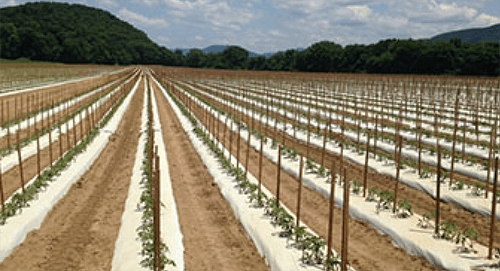
Ben Gilbert, Tennessee Farmers Cooperative’s specialty crops agronomist, shares his top four takeaways from 2019.
We are grateful for your business, and I, along with my fellow Co-op agronomists, look forward to helping you make 2020 the best year yet!
- The hottest topic in 2019 was hemp. The year began with much optimism and hype about the crop but ended carrying a lot of negative baggage.
- Angular Leaf Spot became tobacco growers’ largest issue in 2019 because most of the labeled controls for the disease are lackluster in effectiveness. We have found that greenhouse sanitation goes a long way in reducing the amount of Angular Leaf Spot in the crop. Growers also found that sanitizing mower blades between beds and mowing before plants get too big made a huge difference in the amount of disease found in the field.
- In the sweet corn fields, we have seen some issue with the breakdown in Bt-corn before harvest, probably due to 2019’s dry summer and high worm pressure during the fall. To control the pests, growers made additional applications before harvest.
- The region’s tomato crops also suffered from 2019’s dry summer conditions with a rise in insect pressure, especially thrips and white flies. This once again proves that in dry weather we can expect greater insect pressure, and in wet weather, an increase in disease pressure.
We are grateful for your business, and I, along with my fellow Co-op agronomists, look forward to helping you make 2020 the best year yet!