
The Importance of Yield Monitor Calibrations: Garbage in, Garbage out
Sep 16, 2019
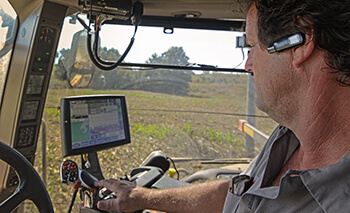
Harvest 2019 is upon us. You’ve probably made sure your combine is ready to roll. But have you checked your yield monitor?
Accurate yield calibrations can be a very helpful tool for your operation. Monitoring yield allows you to make better management decisions because you are able to have a historical map of your farms and fields. It produces a detailed report with a lot more information than what weigh tickets provide.
With low commodity prices, growers are always looking for ways to maximize yields and their ROI. Analyzing past crop care plans and yields can help lead management decisions to do just that. You will be able to identify what worked, and what did not. From here, you can turn precision ag into decision ag.
If you have yield monitoring capabilities be sure it’s calibrated so you can have true and real data. You don’t want to make future management decisions on your farm with false data. It’s a simple concept —garbage in (inaccurate calibrations or uncalibrated monitors), garbage out (poor yield data).
As technology becomes the driving force behind this industry, it’s time we adapt and start reaping the benefits that yield files offer.
Accurate yield calibrations can be a very helpful tool for your operation. Monitoring yield allows you to make better management decisions because you are able to have a historical map of your farms and fields. It produces a detailed report with a lot more information than what weigh tickets provide.
With low commodity prices, growers are always looking for ways to maximize yields and their ROI. Analyzing past crop care plans and yields can help lead management decisions to do just that. You will be able to identify what worked, and what did not. From here, you can turn precision ag into decision ag.
If you have yield monitoring capabilities be sure it’s calibrated so you can have true and real data. You don’t want to make future management decisions on your farm with false data. It’s a simple concept —garbage in (inaccurate calibrations or uncalibrated monitors), garbage out (poor yield data).
As technology becomes the driving force behind this industry, it’s time we adapt and start reaping the benefits that yield files offer.