
Tackling the Challenges of Cotton Defoliation
Sep 09, 2019
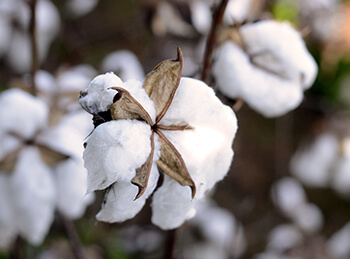
Cotton defoliation — and the decisions that come with it — usually causes consternation for cotton producers.
Creating a defoliation plan is imperative to maximizing your crop’s production, so here are some factors you need to consider.
The “what” and “how” decisions:
Timing of the application is also extremely important for cotton fiber quality and maximum lint extraction potential.
The “when” decision:
For more information and advice about cotton defoliation, consult your local Co-op agronomist.
Creating a defoliation plan is imperative to maximizing your crop’s production, so here are some factors you need to consider.
The “what” and “how” decisions:
- Do you use a single shot or go with a two-shot approach?
- Should you use a surfactant?
- What is the predicted temperature pattern for my region?
- What is the crop’s regrowth potential?
Timing of the application is also extremely important for cotton fiber quality and maximum lint extraction potential.
The “when” decision:
- When planning for defoliation, consider how many acres per day can be picked.
- Another suggestion is to space out your acreage between farms; this should reduce the need to re-apply.
- Lastly, don’t forget to allow time for repairs and to set your picker.
For more information and advice about cotton defoliation, consult your local Co-op agronomist.